
4 Real 1990s Bathrooms: What I’d Keep, Paint, & Replace
When it comes to home updates, bathrooms eat money like it’s candy, or they can if you don’t have a lil Ginger in your back pocket. Not only do I pinch upon request, but I’m full of fun, DIY, affordable ideas to modernize and update your home.
As mentioned in this other 90s-inspired bathroom blog post, my Instagram followers enjoyed the kitchen update blog post and want more. In particular, they want ideas to modernize their bathrooms without breaking open the kids’ piggy banks.
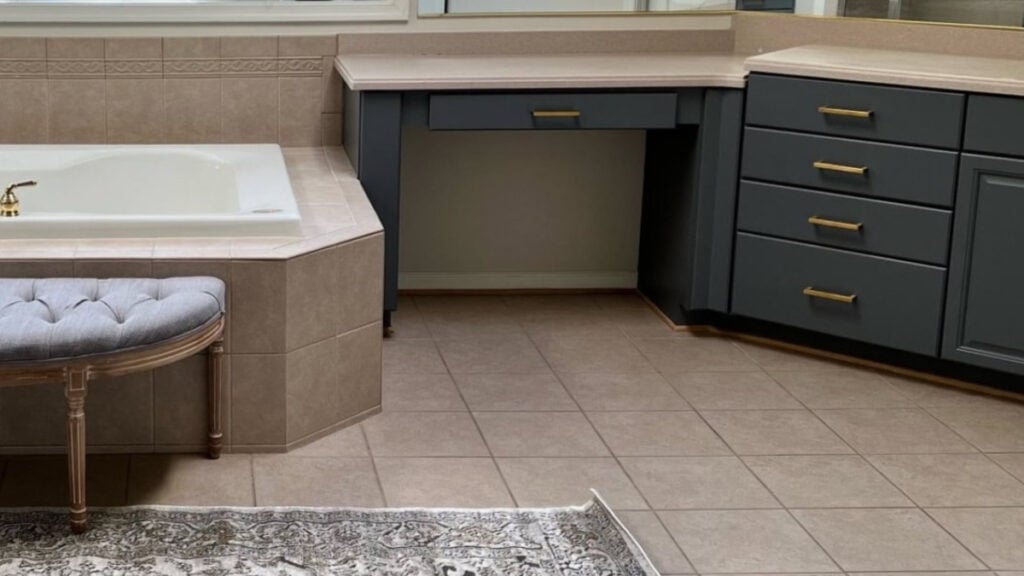
Remember, anyone with the funds and a dream can demolish a bathroom and create a beautiful space from scratch (or hire someone)…
These update-related blog posts are about affordable, budget-friendly bathroom update ideas that KEEP some of the existing finishes & layouts.
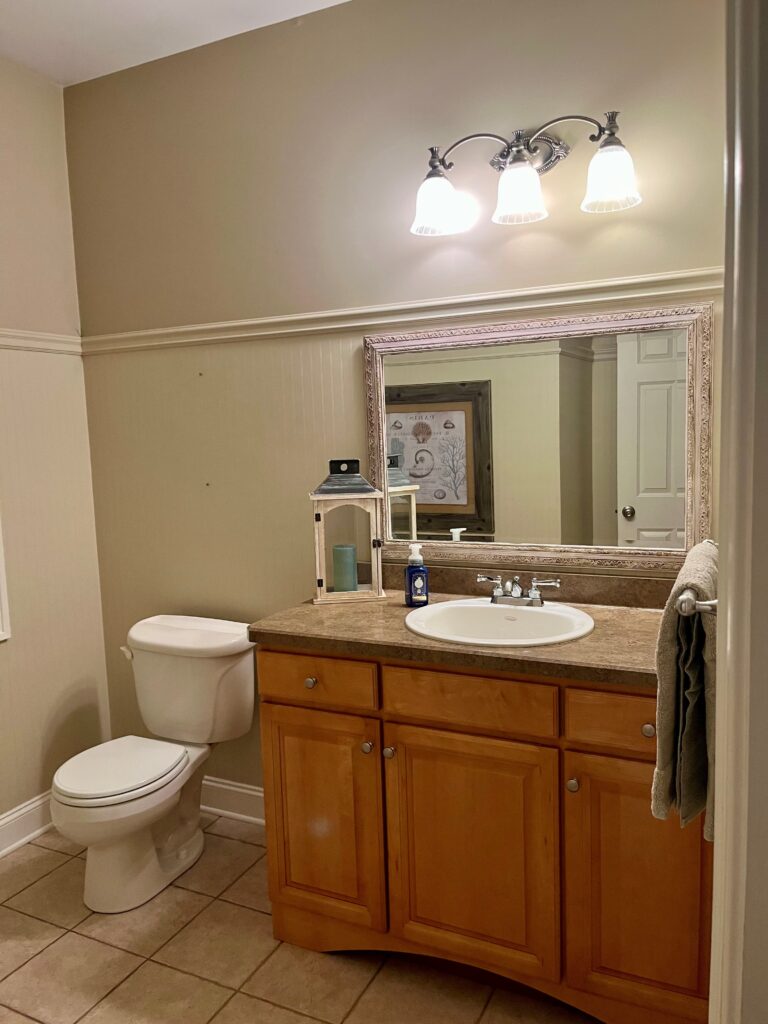
COME TO MOMMA – this bathroom has great potential!
THE CASE STUDY APPROACH
While I can throw one-off ideas at you, one of the best ways to show you a wide range of ideas and options is to do a case study of several bathrooms.
Not all of these bathrooms will be just like yours, but the IDEAS and tips can still apply!
FUN FACT: The average blog post takes me 5-10 hours to write, depending on its complexity. Blog posts like this get closer to 20 hours – I LOVE WHAT I DO!
UPDATE 1. OAK VANITY, BEIGE TILE, CHROME, & MORE
The great thing is that a lot of the bones in this bathroom are solid. Now, this doesn’t mean everything should stay as-is, but there’s great potential for improvement.
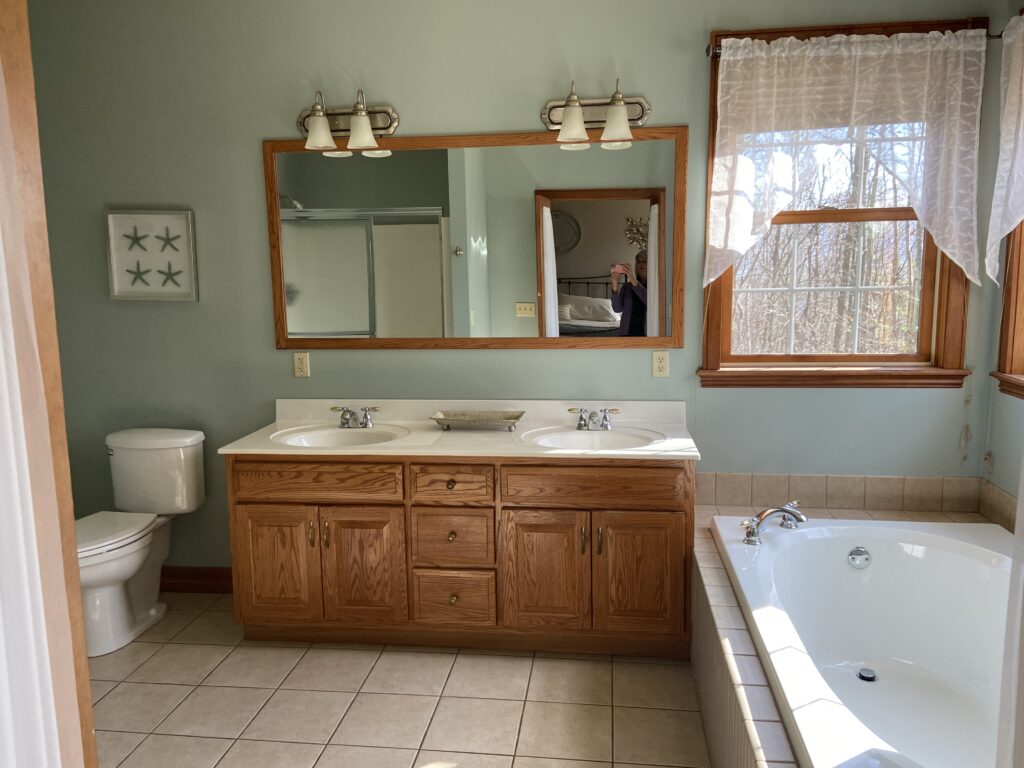
This bathroom is from one of my Instagram followers (I’d asked for photos of 90s bathrooms). Here’s their wishlist…
- Wall color & vanity color – replace the vanity/stain it/paint it?
- Countertop and sinks.
- What should happen with the beadboard on the front of the tub?
- Mirror, faucets, towel bars, and light fixtures are also up for grabs, if necessary.
But most importantly, they can’t update the TUB, TILE, OR SHOWER.
Real people, real homes, REAL BUDGETS!
STEP 1. CHANGE THE BEADBOARD ON THE FRONT OF THE BATHTUB
Soaker tubs with a tile deck around them were super popular in the 1990s and 2000s. And while you’ll still find them in the odd modern home, it’s more common to see a freestanding tub.
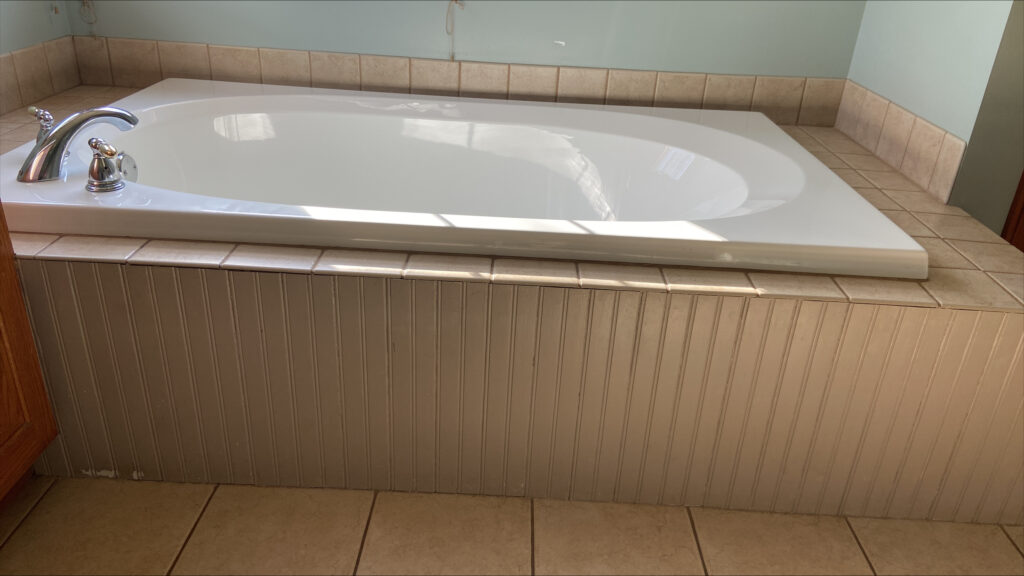
To start, look at the style of the doors on the vanity (below) and compare it to the beadboard detail…
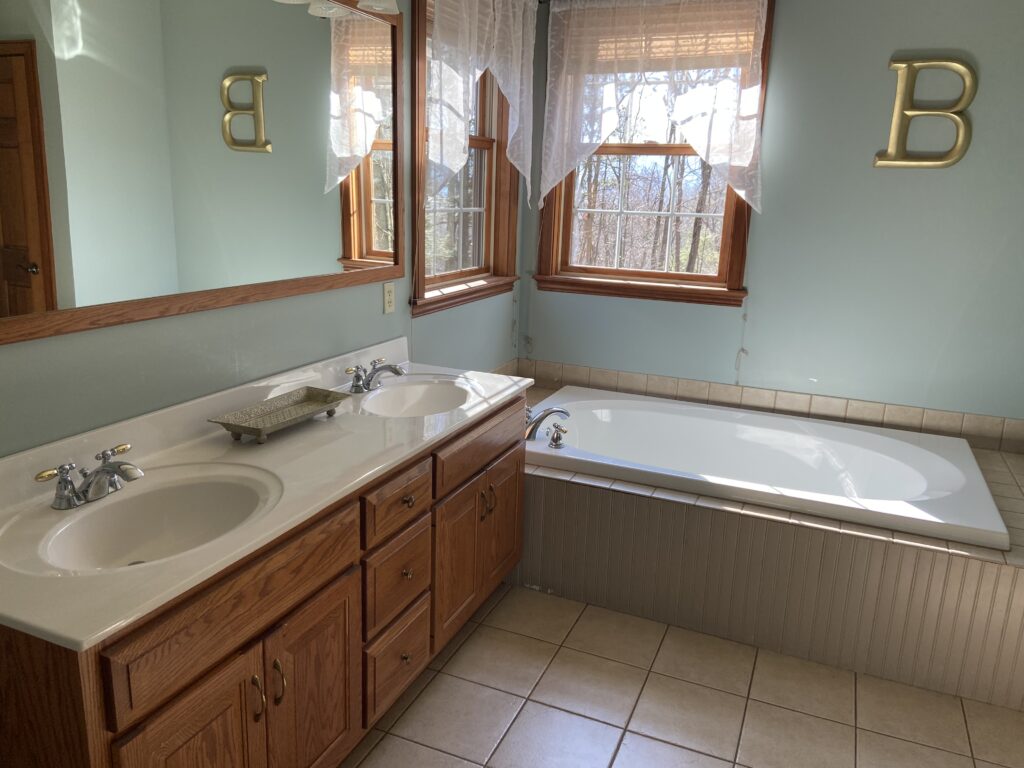
The beadboard seems too fussy for the scale of the vanity door profile. It’s also too busy considering the 6×6 tiles around the tub and the 12×12 floor tiles – a lot is going on.
- If there’s tile underneath, I’d remove the beadboard. If not…
- I’d install a smooth front either over top the beadboard or instead of it. Here’s the idea that’s in my brain. This look picks up on the vanity’s style and isn’t too fancy for the average DIYer.
- If that’s too ambitious, I’d update the look with a top horizontal molding and a baseboard, and fill the space between with approximately 6″ wide shiplap to completely cover the beadboard (this is the basic idea).
Here’s a more updated look at this look, except it’s on the wall of a small bathroom…
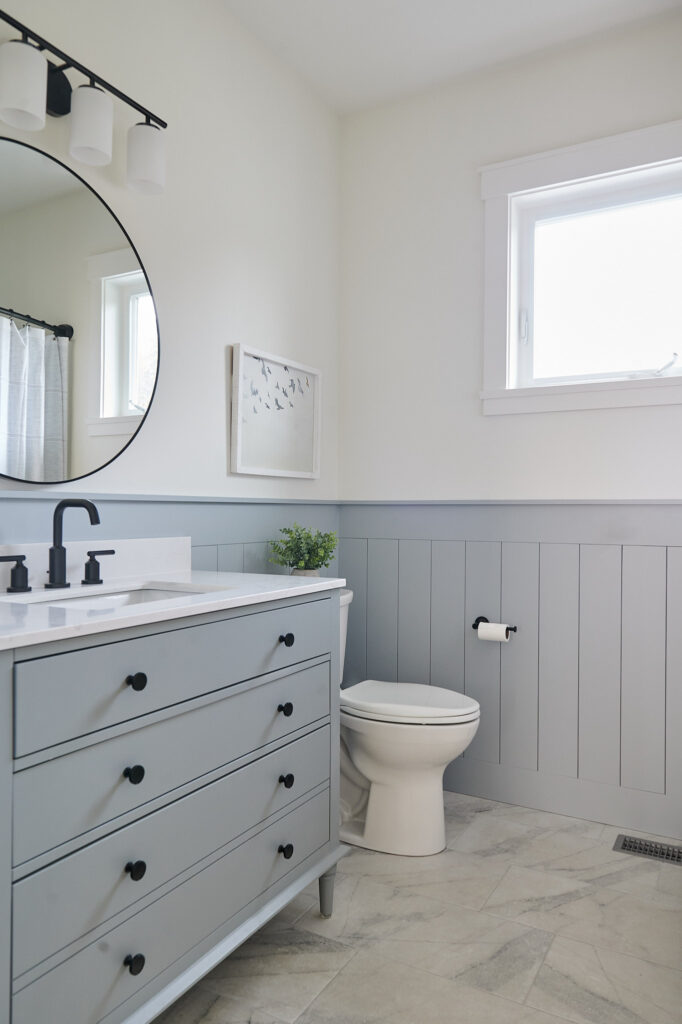
The top ledge is nice for this application, but not for the bathtub skirt.
If the homeowners choose to do something along these lines, they’ll have a tub skirt that’s more proportional and better suited to the finishes around it. This means we can move on to COLOR!
STEP 2: PAINT THE VANITY & TUB SKIRT THE SAME COLOR
Seeing as the tile’s staying, we need to find colors that coordinate. I would lean into medium to medium-dark shades of green (COLOR BUNDLE HERE) for an organic, natural look. A lot of people lean into blue, but it can look a bit more forced if not done carefully.
Beige tiles and finishes often cater to green hues over blue.
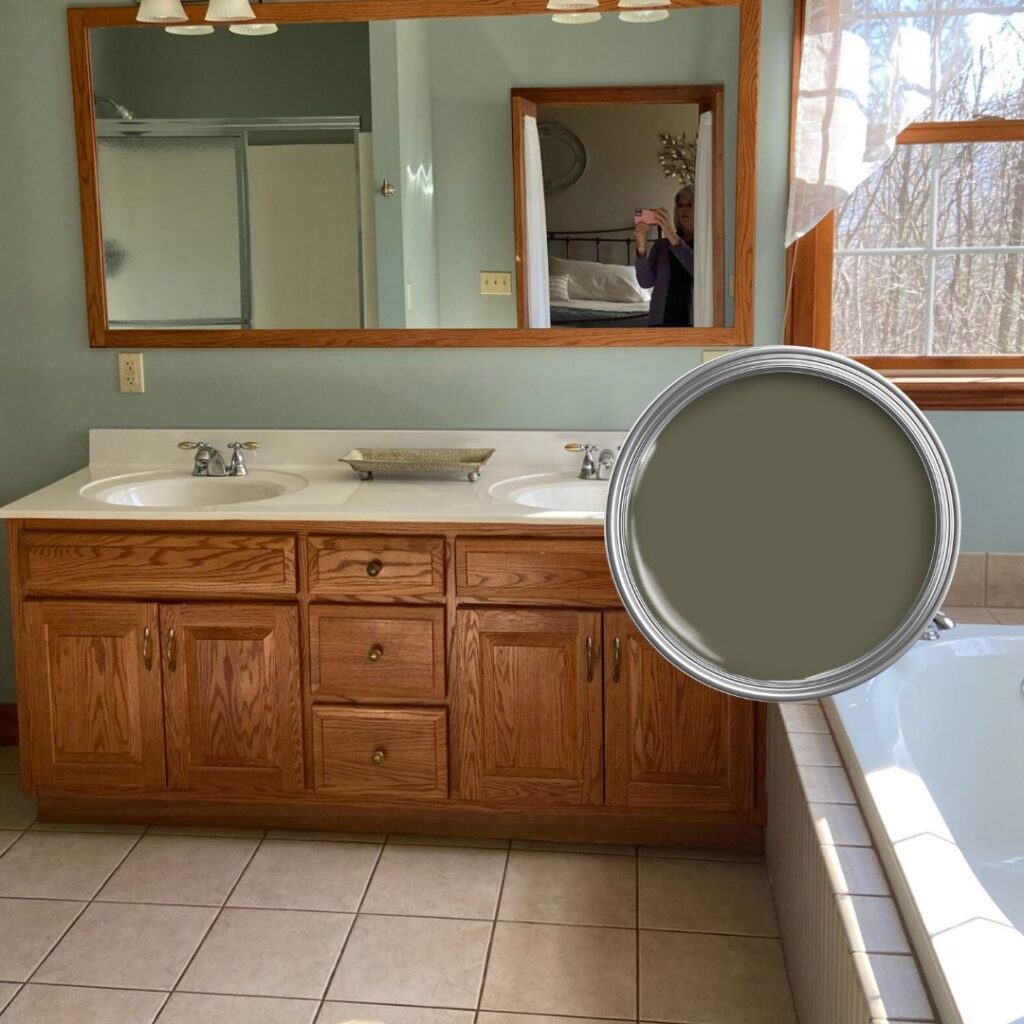
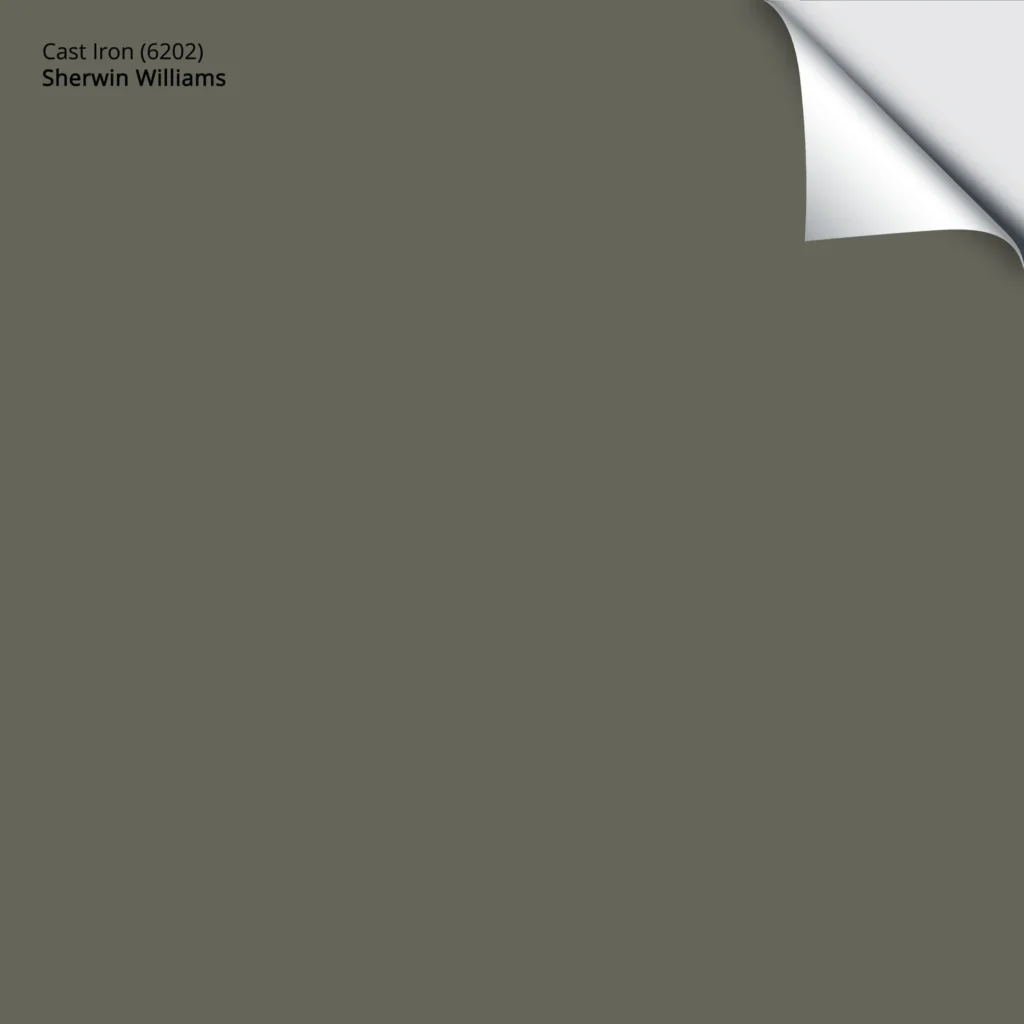
Samplize PEEL & STICK (is amazeballs)
STEP 3: UPDATE THE COUNTERTOP & SINK
It’s time for the sinks to stand on their own. I mean, not literally, but the day of the integrated sink has passed (with a few rare, modern exceptions).
Luckily, quartz companies are coming out with warmer, more beige-inspired quartz countertops, making it easier to update 1990s bathrooms without replacing everything.
If you have beige tile, find a countertop that offers some WARMTH.
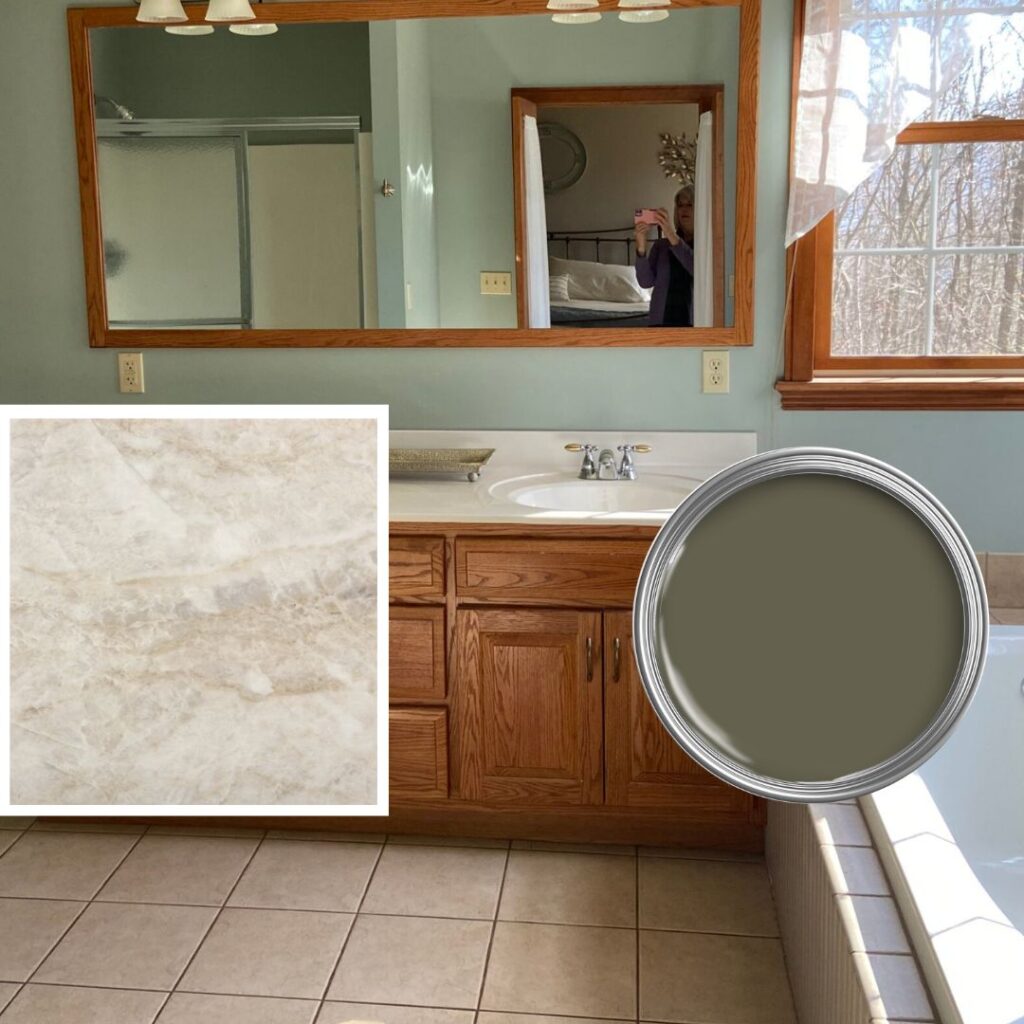
The Best Quartz & Quartzite Counters for WARMER Trends!
STEP 4: PAINT THE WALLS & TRIM
I’m a big fan of wood cabinets and trim, but it’s all about the right wood in the right place (I’m always telling the hubs that – whoa whoa, NOT the right place for your wood, buddy!). On their own, the vanity and trims are okay, but combined with the beige tiles, they can look dated.
In other words, it’s probably time to paint that wood trim.
But first, we need to choose the wall color, specifically, more modern, updated shades of beige.
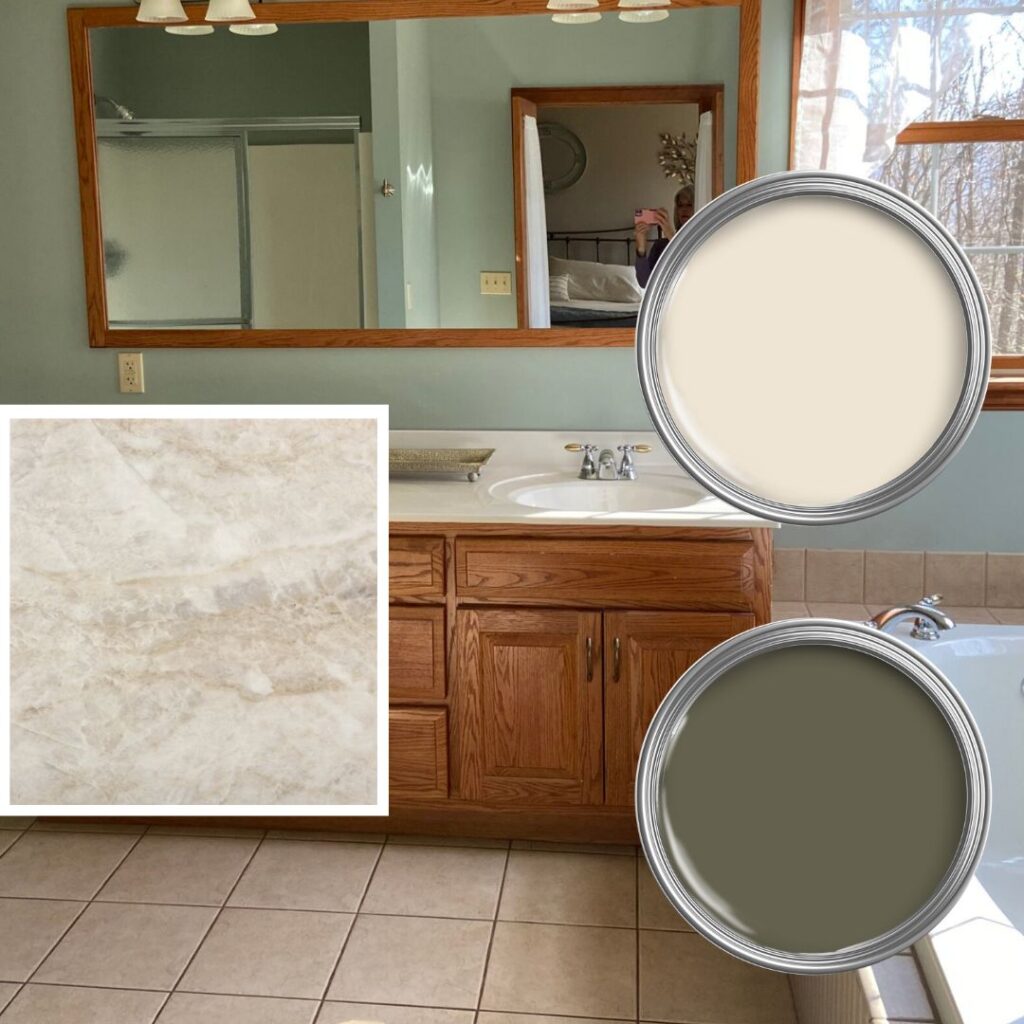
This isn’t the same bathroom (below), but it shows Sherwin Williams Moderate White (a popular, off-white beige) looking great with the 1990’s beige tile…
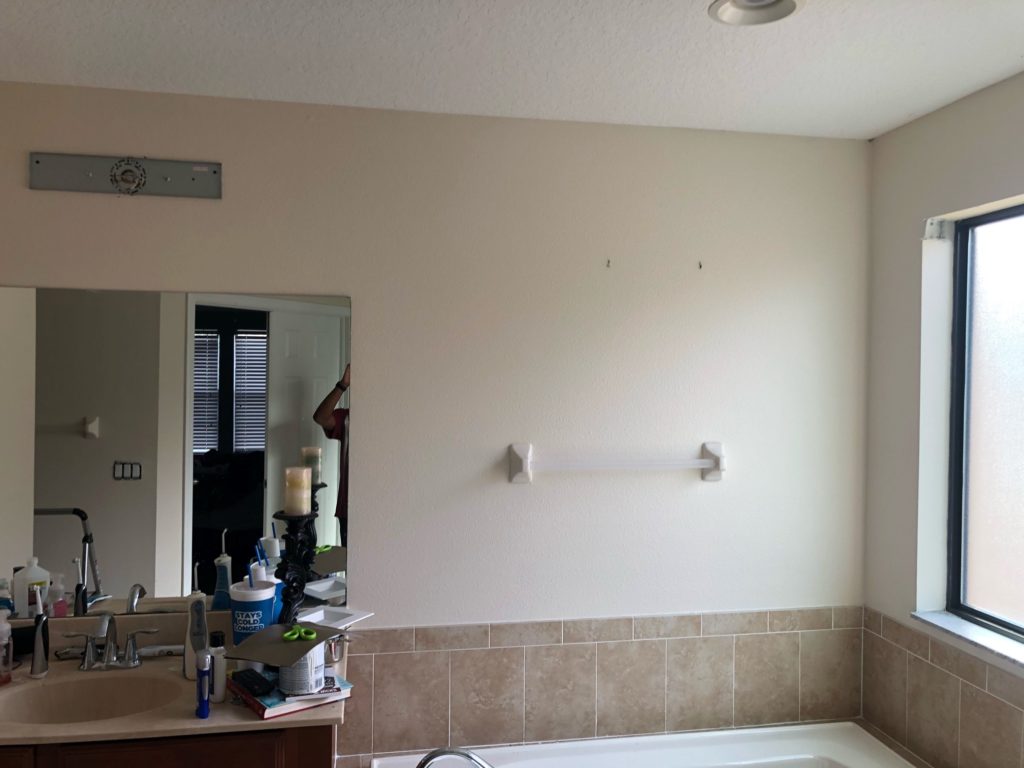
I’m also a huge fan of Sherwin Williams Aesthetic White (as many of you already know)…
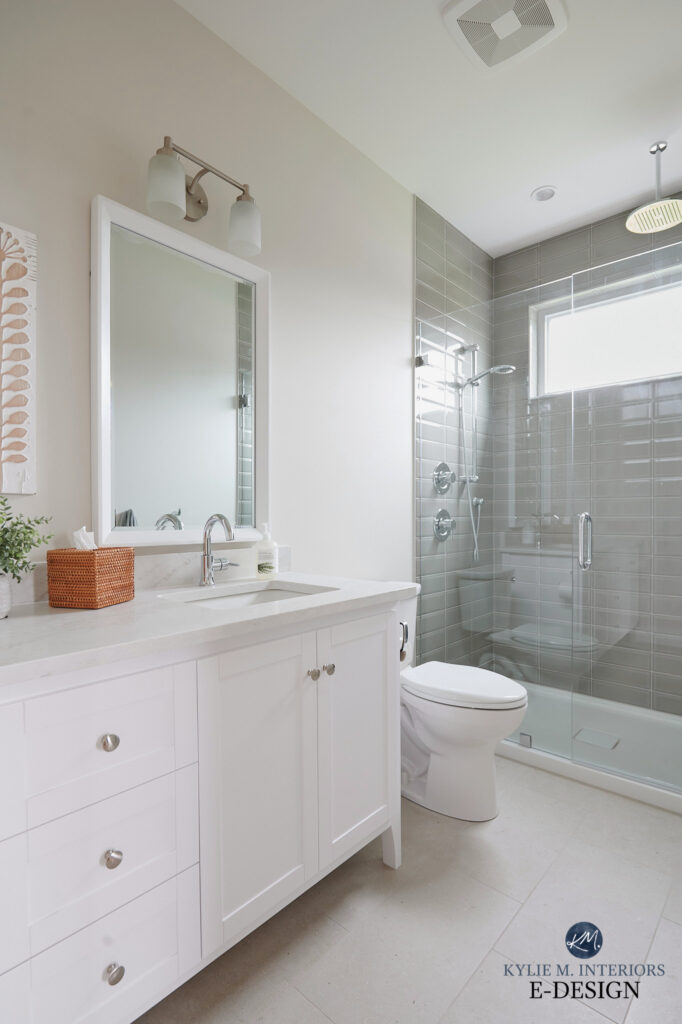
I even chose a soft, subtle beige floor tile for our home – BEIGE IS BACK, BABY!
For the trim, off-white beiges often like themselves lightened by 50%, otherwise Sherwin Williams Pure White is often the next best choice.
Check out my favorite off-white beige paint color collection.
STEP 5: FAUCETS, HARDWARE, & LIGHTING
In this space, gold/antique brass clashes with the tile’s orange-pink tones. Oil-rubbed bronze is too dated. Black is too harsh.
- I’d probably do a nicely polished nickel.
- I’d also take off that mirror and get one cut that goes to the countertop (mirror/glass suppliers can cut out a spot for the outlets).
- I might also get the mirror made taller, so it’s a bit higher than the light fixtures. This way, the lights sit on the mirror, rather than above it.
UPDATE 2: LINOLEUM, DARK WOOD, LAMINATE COUNTERS, & MORE
This bathroom had me at hello. I’ve lived in 22 homes in my life (crazy but true – I was a bit transient when I was younger), and I recognize this vinyl from one of our homes (although it might have been in the kitchen – I’m sure my Mom will let me know).
That said, this bathroom easily winks at the 1980s with a come-hither glance – it’s borderline.
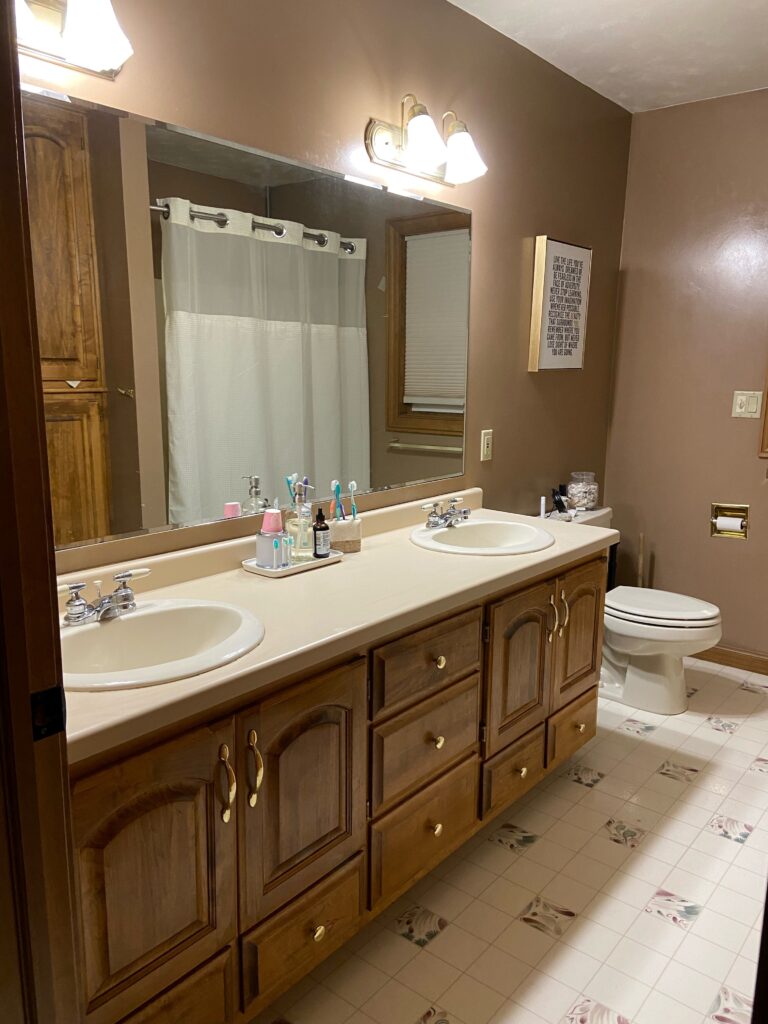
Now, you might be like ‘Ermmm, Kylie, I see heavy dated wood, laminate counters, off-white sinks, and vinyl – whoopee ding‘. Oh yes, you might see that, but I see potential.
My client sent me this bathroom (at my request on Instagram), and here’s the wishlist I was given…
- New hardware, faucets, and lighting.
- Can the floor be saved? That would be ideal. While its warped in spots, she’s afraid of what’s underneath (where I live, we have to test for lead on homes this age – ooof).
- She’s open to painting or keeping the vanity as-is, but it can’t be replaced.
- Paint color for the walls and trims.
WHAT HAS TO STAY?
The almond-bone sinks, toilet, and shower surround (as if you change one, you usually need to change the others). The vanity can’t be replaced, nor can the countertop.
Heck yes, LET’S DO IT!
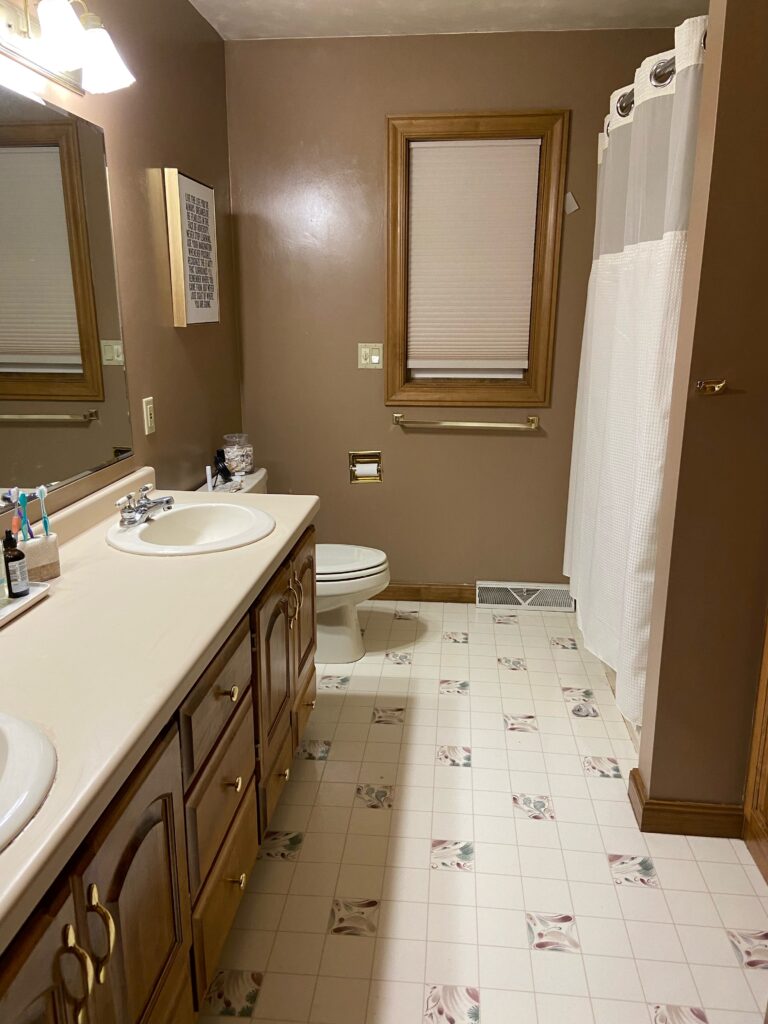
STEP 1: UPDATE THE VINYL FLOOR
Can the floor be saved? I mean, sure, I can suggest colors that will go with it, but because of it’s style, pattern, and colors, it will always look 1990s – I can’t update it #SAVETHEWHALESINSTEADOFTHISFLOOR.
But all isn’t lost! Depending on how DIY-friendly this homeowner is, there are some seriously affordable options.
PAINT THE FLOOR A NEW COLOR OR PATTERN
Painting your vinyl floor is an affordable way to update your bathroom. Heck, tons of people have even painted their shower tile! For more inspiration, click here.
INSTALL LUXURY VINYL TILE OVER THE VINYL
While you would need to glue down lifted areas and do a bit of leveling, Luxury Vinyl Tile (LVT) can look awesome. Assuming our example home has a beautiful golden oak wood floor outside the door, I wouldn’t butt a fake wood LVP up to it.
Because the countertop and almond fixtures are staying, we need a tile that coordinates. I like this Palisade tile from Wayfair. They might need a tile with a touch more cream, but online images are the worst, and this looks pretty close…
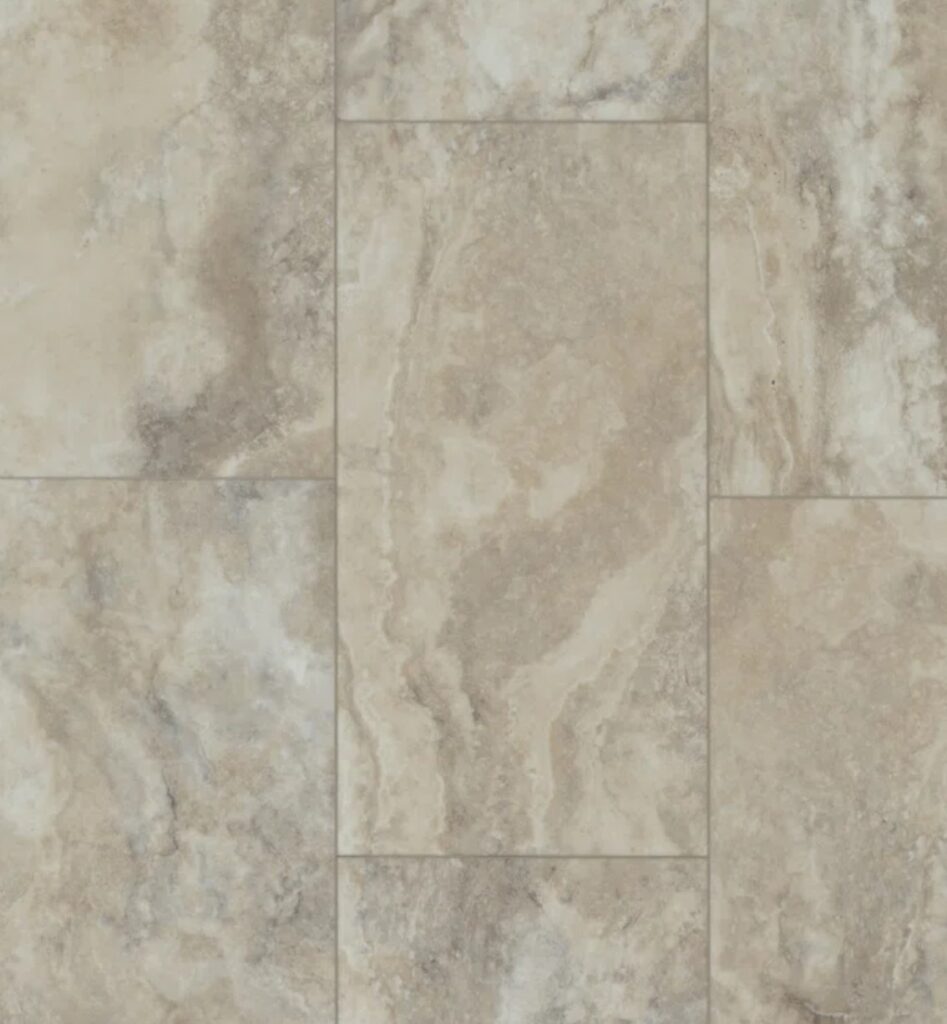
Always get samples and see how they sit with your finishes before ordering a whole whack.
Is it a super trendy tile?
Nope, it’s a great happy medium that suits the existing finishes while helping this bathroom look more modern via the tile size and versatile color blend.
To update your room, don’t focus on your tastes; look at the existing finishes that aren’t being changed – they’ll tell you what to do.
This next one is pretty badass, too. A bit retro? Yup, but I dig it as it has some personality. While it’s a 12×12, it doesn’t matter as the pattern takes over…
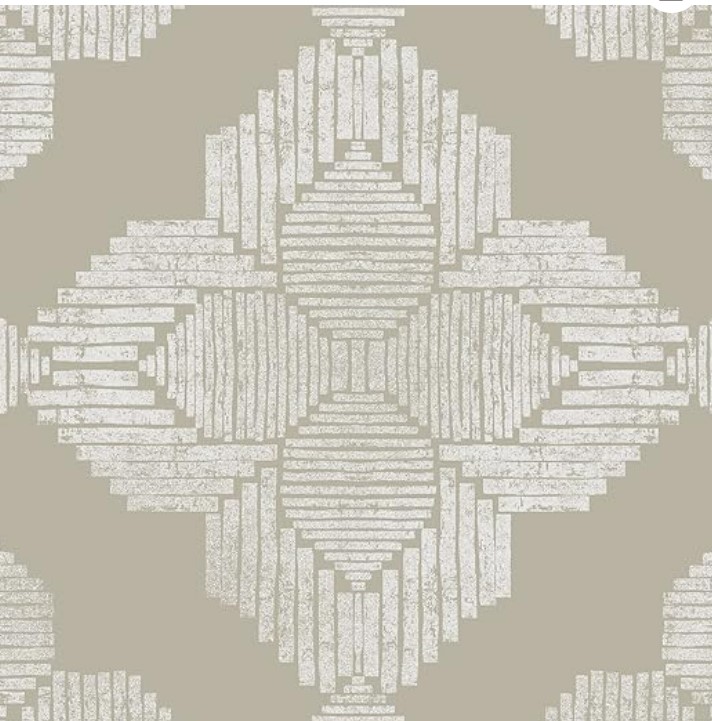
SULLIVAN CREAM TILE from Amazon
And while it seems pricey at $13 sq ft (and it is) if you do the math on this bathroom and consider no tile install and minimal mess, it’s pretty appealing.
You could also get a similar stencil and do the same color for WAY LESS.
STEP 2: PAINT THE VANITY
If we base this bathroom on the first tile we looked at, I’d consider a nice medium-depth shade of taupe for the vanity. White will be way too stark for this room, and there’s already enough almond to choke a donkey.
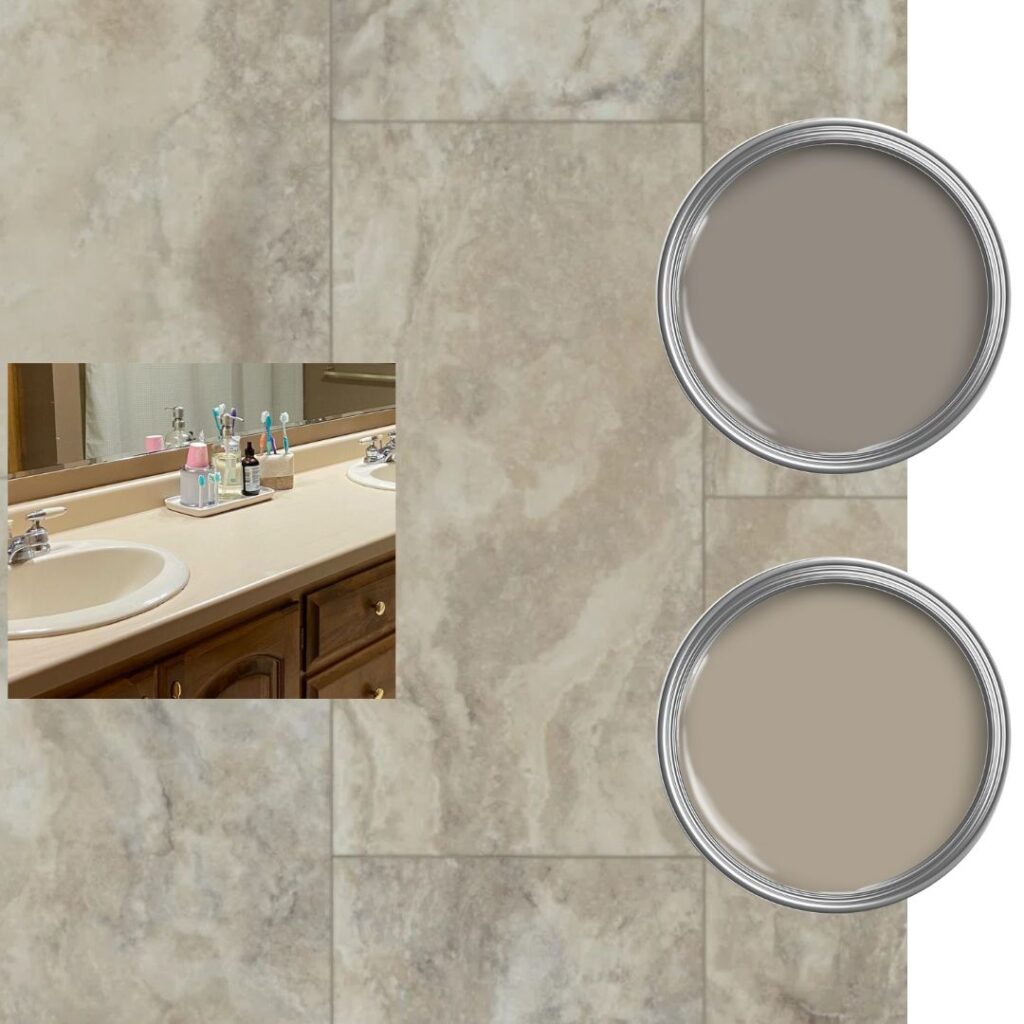
Learn about some of the best darker shades of taupe HERE.
As for the patterned LVT we looked at, you could entertain a gorgeous, organically dark green or a dark shade of greige…
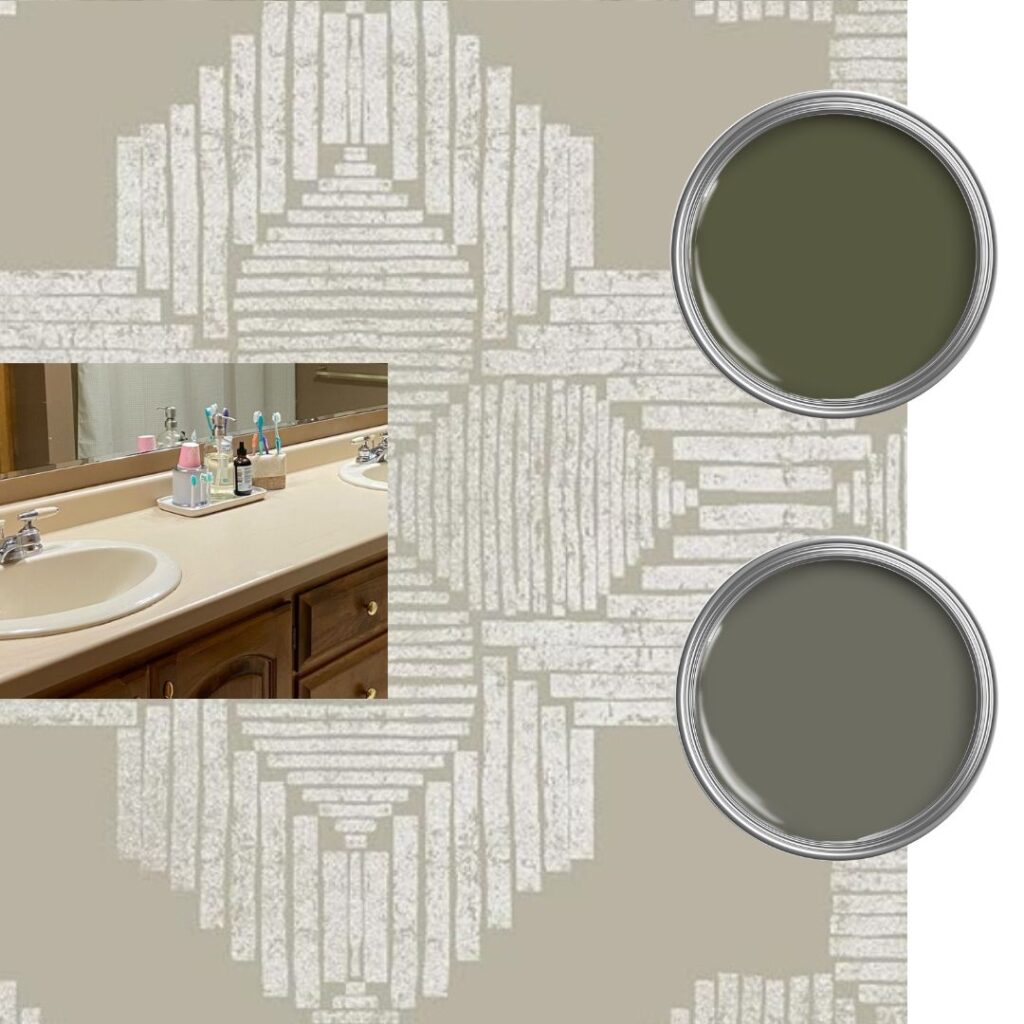
See my favorite collection of dark green paint colors or dark shades of greige!
As for the walls, let’s get our eyeballs on this bathroom again to refresh ourselves…
BTW, for the built-in butt-wipe niche, I’d get a decorative square molding piece with sloped edges (so it’s not just a hard square). I’d glue it over the opening, paint it the wall color, and put a normal TP holder on it. Ideal? No, but ideal involves drywall and mud, and nobody wants to do that.
Back to the paint colors, coordinating with almond and bone fixtures is always tough. The countertop has a bit more yellow-beige compared to the bone of the fixtures (I find it funny that I typed ‘boner’ first, as usual). Anyway…
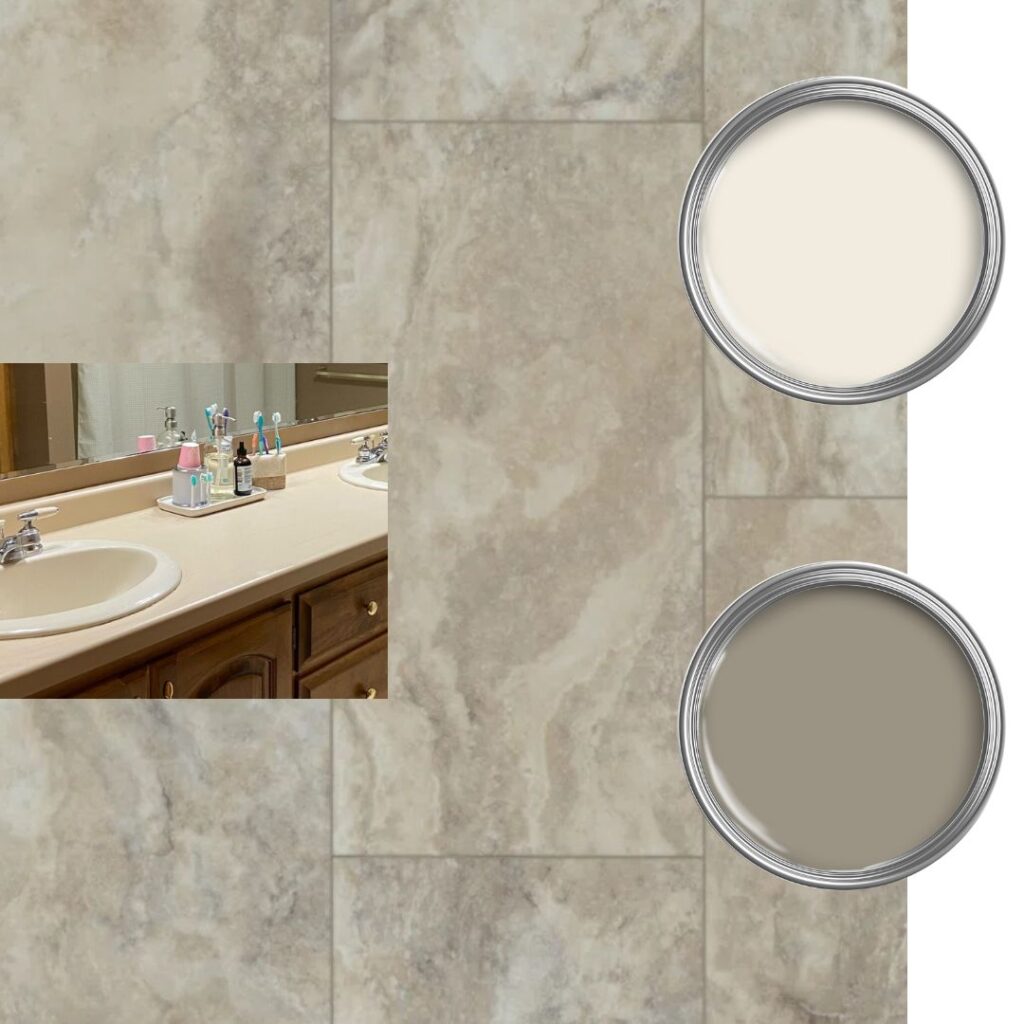
It will be tough to make the countertop and fixtures happy with one magical paint color. I’d likely sample this range of off-white beiges and warm neutrals. For the trim, I’d lighten my wall color by 50% and 75% and see which version is best.
Contrary to some beliefs, lightening or darkening a color can work like magic. While it technically creates a ‘new’ color, it can be a great way to create a tone-on-tone look. But it doesn’t work with ALL colors; double-check that you like the combo you’ve created!
This homeowner specifically hoped to get Sherwin Williams Sea Salt in the mix. However, warm finishes like these fixtures/countertops don’t always love being paired with colors that are cooler AND lighter than them. With the existing finishes, Sea Salt would make them look more dated, rather than UPDATED.
It’s better to go with your home than against it.
This next bathroom is my outdated (but still GREAT BONED) 2000s bathroom with its original color…
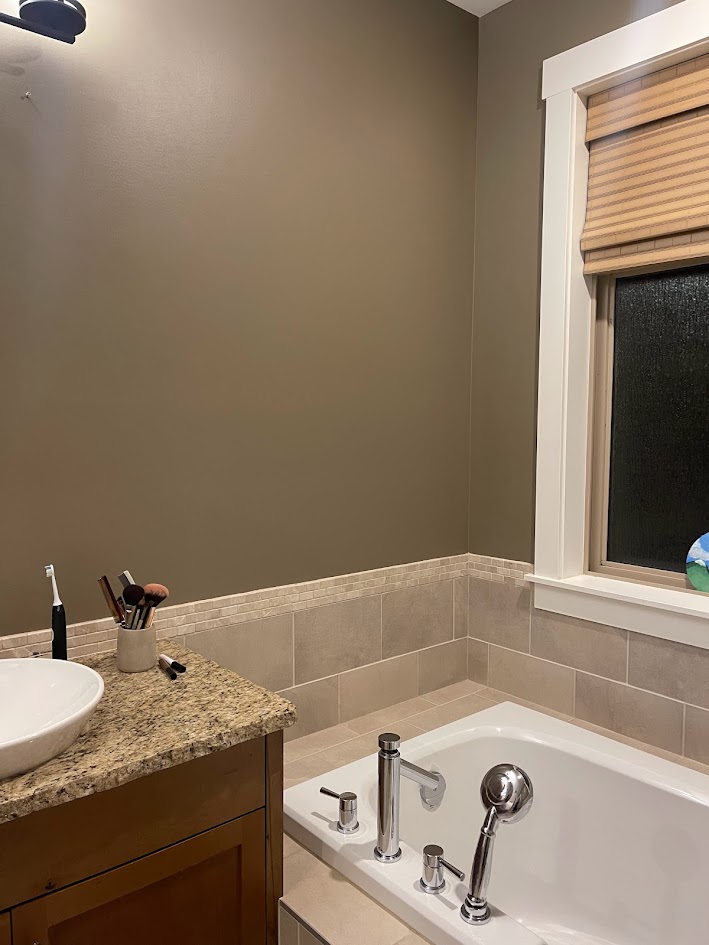
The previous homeowners did a reasonable job coordinating, but it was way too heavy for this room.
We’re remodeling the whole bathroom next year (as the shower is failing), but before Christmas, I wanted to lighten and brighten it. And it didn’t matter if I wanted blue or green walls, my bathroom has its own set of wants and needs…
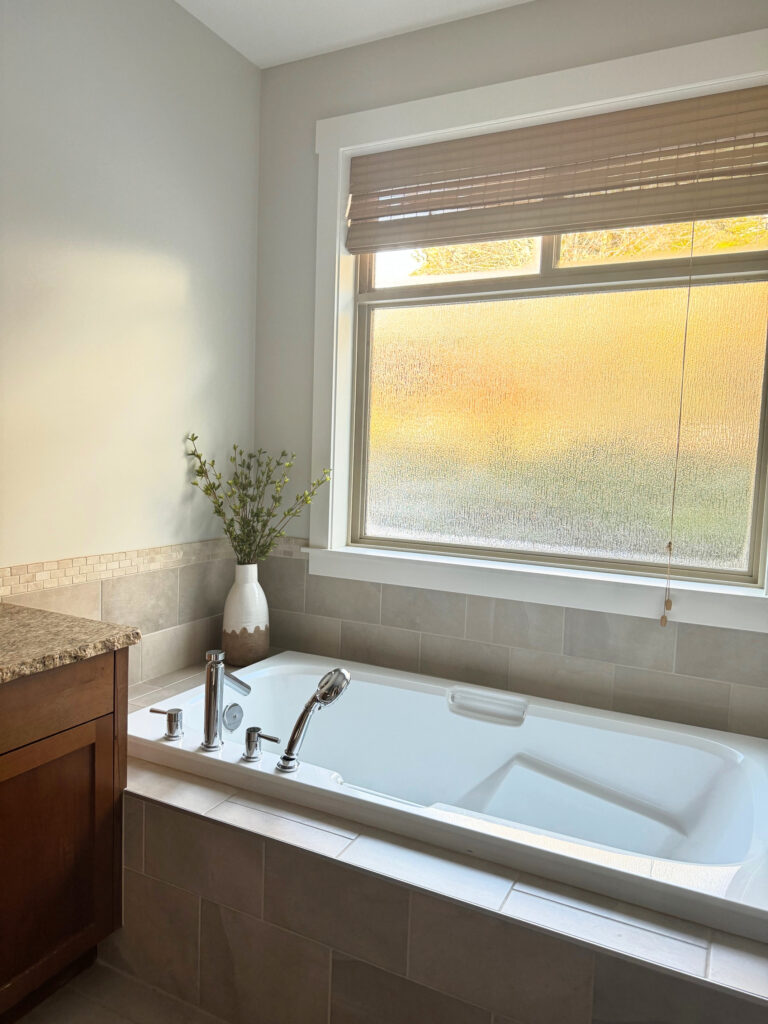
Instead, I painted the walls a soft shade of taupe – Benjamin Moore Pale Oak (it’s only the reflection making it look slightly green in the lit area).
Do I like taupe or pink undertones? HECK NO, but my bathroom sure does and because it looks good, I’m happy with it!
Now, back to our ‘pretend’ bathroom remodel…
STEP 3: HARDWARE, LIGHTING, & FAUCETS
Let’s talk about the ideal color of the bathroom fixtures…
- Given the warmth of the bone finishes, I’d love a nice antiqued gold/brass, but finding a budget-friendly one isn’t easy.
- My next thought is chrome, which can look more timeless in the right style.
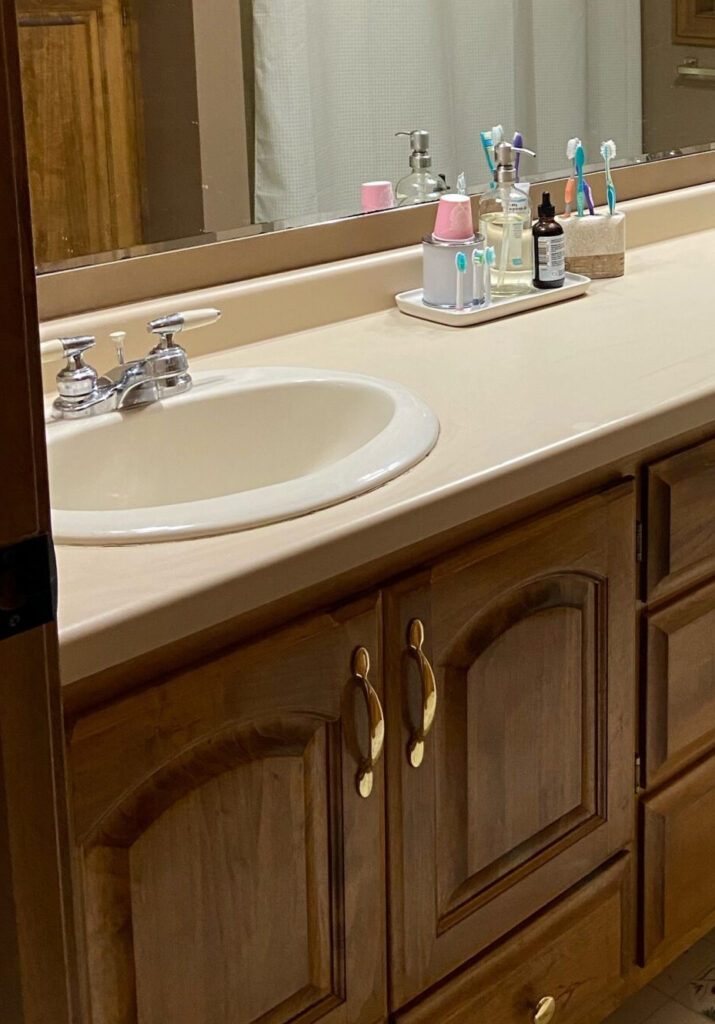
As for the style, notice the oval shape of the sinks and the curve on the vanity doors.
The shape of your existing fixtures could guide you towards the shape of any new fixtures.
Any fixtures chosen for this bathroom should have soft curves, few to no straight, clean lines. Let me see if I can find a good faucet to get my client started. Ya, something like this is the right idea…
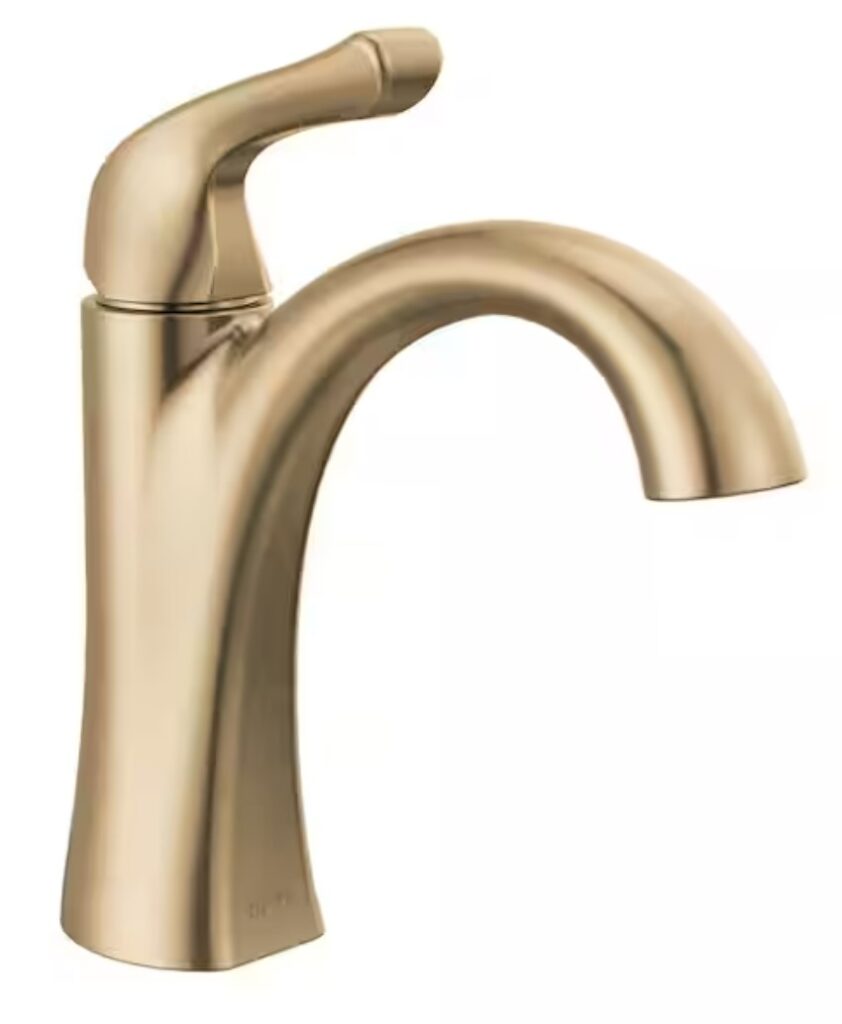
From there, coordinate the hardware to have similar, simple lines – the same goes for the light fixtures. Again, I can’t touch on every part of each bathroom, but these ideas should get the creative ball rolling!
We’ve hit two wood-inspired bathrooms, so let’s look at something a little different.
UPDATE 3: THERMOFOIL, 8X8 TILE, & LAMINATE COUNTERS
Let’s take a look at another outdated 1990s bathroom and use the previous update ideas to see what we can do…
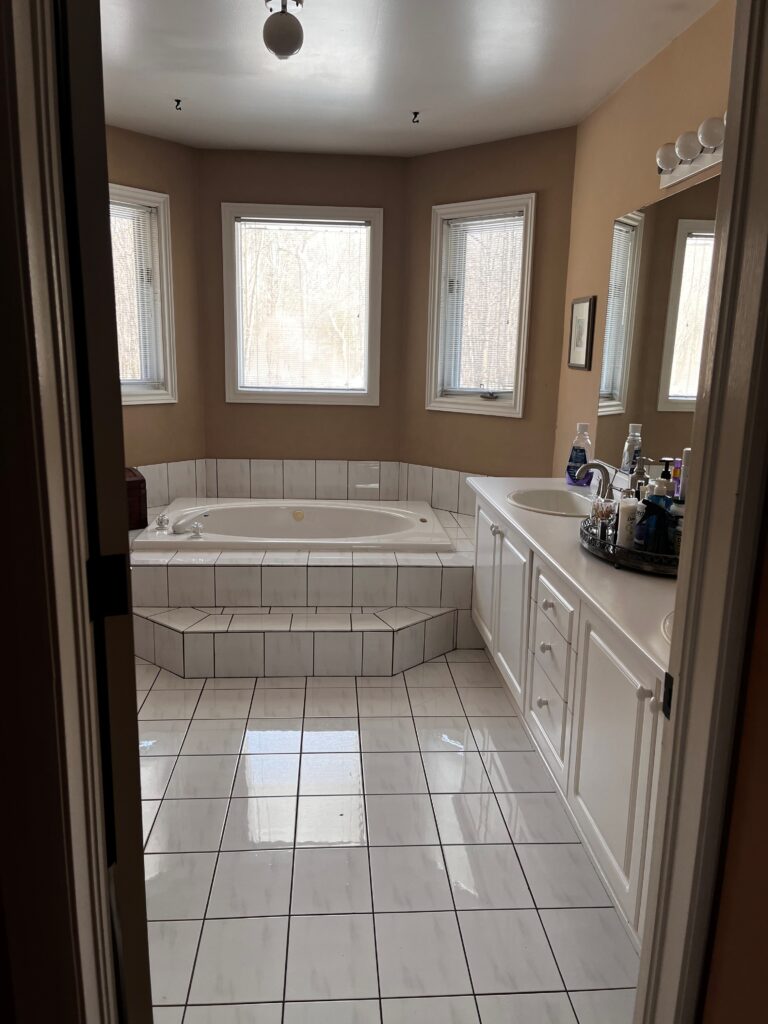
If we tackle the tile floor, tub surround, and shower (which we can’t see), we’ll be doing a full remodel on this bathroom, which isn’t what this blog post is about. Instead, let’s keep some of the bones and work some magic on this bad boy…
FINISHES THAT ARE STAYING
- Tiled surfaces
- Vanity
- The faucets COULD stay, depending on where things go with the lighting.
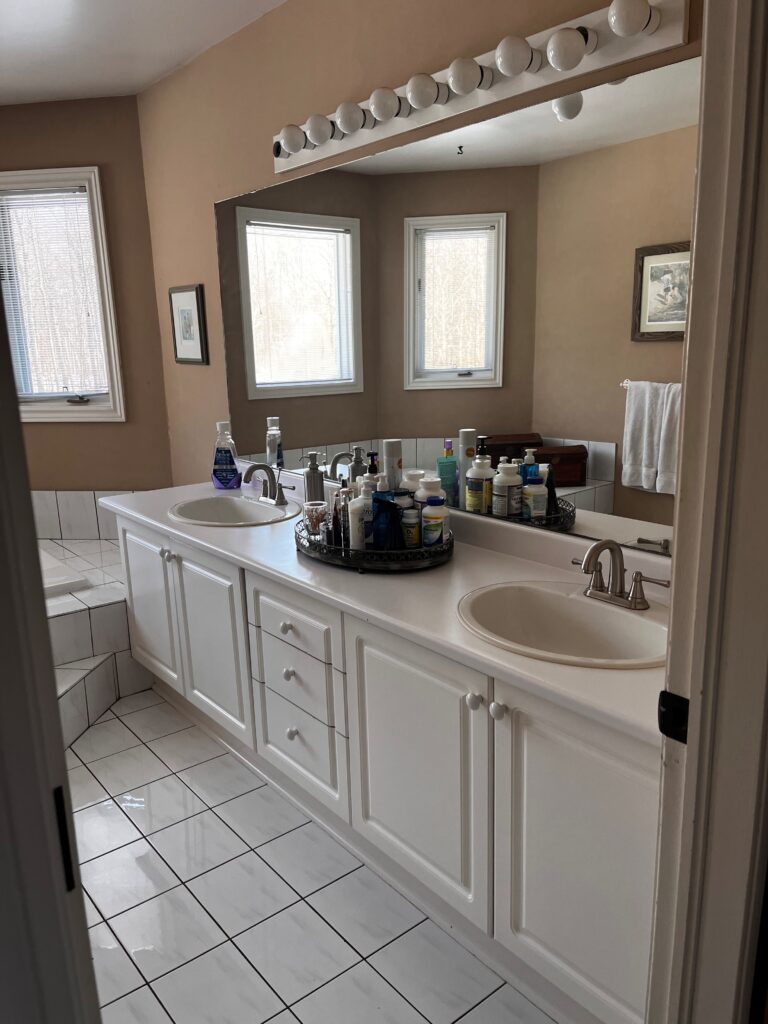
STEP 1: INSTALL A NEW COUNTERTOP
While we’re saving tons by keeping the existing tile and vanity base, a new countertop will go a long way toward refreshing this space.
Given the tile floor, I’d check out something like Formica Jet Sequoia, a black, marble-look laminate countertop. This picks up on the dark grout and gray tones in the tile floor. It also grounds the space compared to the current white-on-light palette.

The New Era of Laminate Counters & Why They Rock
STEP 2: PAINT THE VANITY & THE WALLS
I’m guessing these are thermofoil cabinets. Thermofoil only lives so long until the glue releases and the fronts start cracking.
Did you know you can remove the thermofoil from your cabinets?
With carefully applied heat, the adhesive on the door releases, letting the top surface go and leaving you with a nekkid cabinet door that begs for paint! This is probably why Tim is always aiming the blow dryer at my top half on full heat. Here’s a first-hand experience from Kelsey.
Then, pick your cabinet color. For this loo, I’d find a mediator between the cabinet and the white tile, perhaps a gray with a blue-violet undertone like Benjamin Moore Trout Gray.
Now, this next image is fugly as I’ve never taken a course in Photoshop (stating the obvious, as if I had, I’d need to get my money back). I also don’t use AI images on my blog…
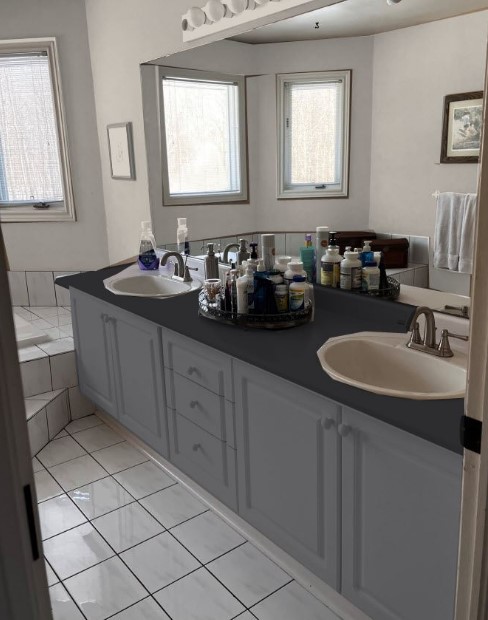
I’m not an AI fan, but I can see how it would be handy for this purpose.
In all its fugliness, you can still see that it’s a great improvement.
STEP 3: FIXTURE FINISHES (FAUCETS & LIGHTING)
For fixtures, hardware, etc. I’d choose chrome. Nuff said.
UPDATE 4. A BIT MORE THAN A SIMPLE UPDATE
Sometimes you need to make fundamental, large-scale changes to move forward; otherwise, you may as well not move forward at all.
This is the case with the next bathroom. While it has some good bones (tile floor, countertop, and vanity), oooooo boy, look at those wall tiles…
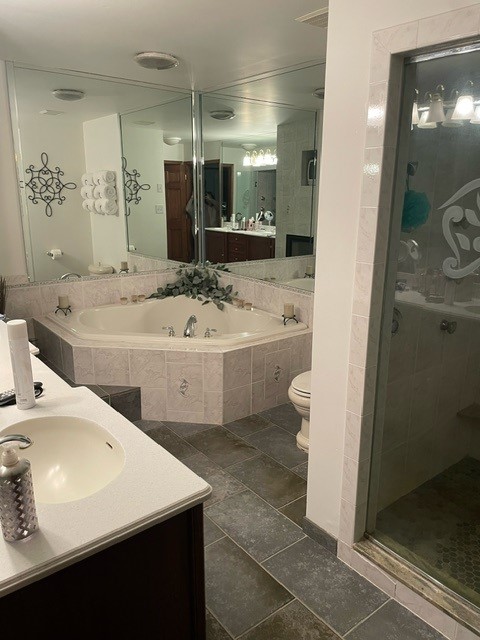
There’s no updating these tiles without replacing them, so to save money in this bathroom, it’s about spending money where it counts.
STEP 1. DECIDE WHAT STAYS & WHAT GOES
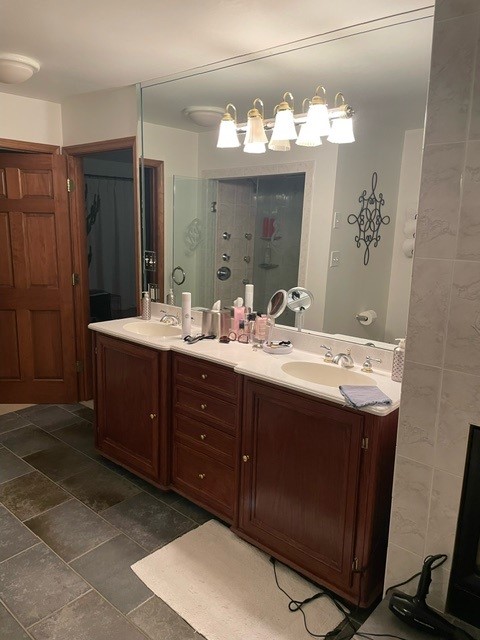
Making a list of your bathroom’s features is a great way to start a project, starting with the non-negotiables…
EXISTING FINISHES THAT CAN STAY
- The vanity
- Tile floor
- Bathtub and its surrounding deck. While we might have tried for a freestanding tub running parallel to the end wall, because the floor tile is staying, we can’t do that.
- I like how the mirror runs full length and height of the vanity – it’s a keeper.
- Because the tub is off-white and not being changed, may as well keep the off-white toilet.
- Again, the off-white countertop/integrated sinks coordinate with the tub/toilet. So while you coooould update them, you’d still need off-white sinks.
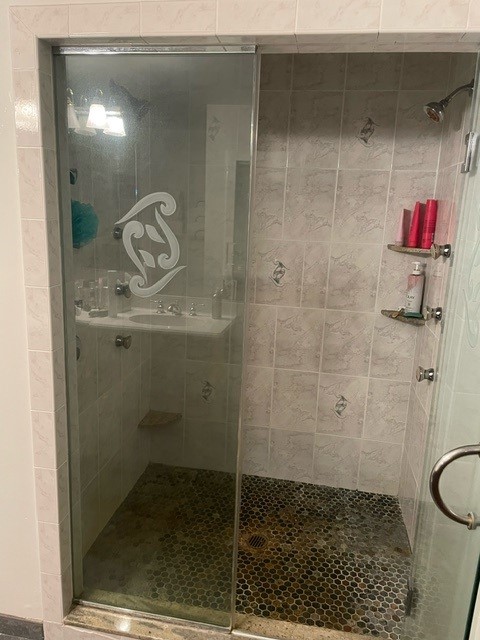
WHAT’S GOT TO BE REPLACED…
- Any of the wall tile around the shower, bathtub, and general bathroom area.
- I’m not a huge fan of full mirrored walls like the ones around the tub (great if you’re Hugh Hefner, I guess).
- Chrome and gold faucets (which is why this combo makes me twitchy in modern homes – it can look super 90s).
- Light fixtures
- As for the shower doors, IDEALLY, they’d be plain glass – no etching or chrome edges. Is this a hill I’ll die on? Probably not, but I’d see how the budget goes.
- Shower hardware.
- The little TV nook – I’d cover over that fo sho.
As for the shower floor, it needs to be scrubbed, maybe even regrouted, or hit with Mapei Ultracare Grout Refresh. However, as long as the waterproofing is still in place, I’d keep it. It also coordinates well with the floor tile.
STEP 2. REPLACE ALL OF THE WALL TILE
Removing tile, disposing of it, and drywalling is a huge, expensive job. However, this bathroom won’t have a snowball’s chance in Hell if those tiles stay. It’s time for drywall.
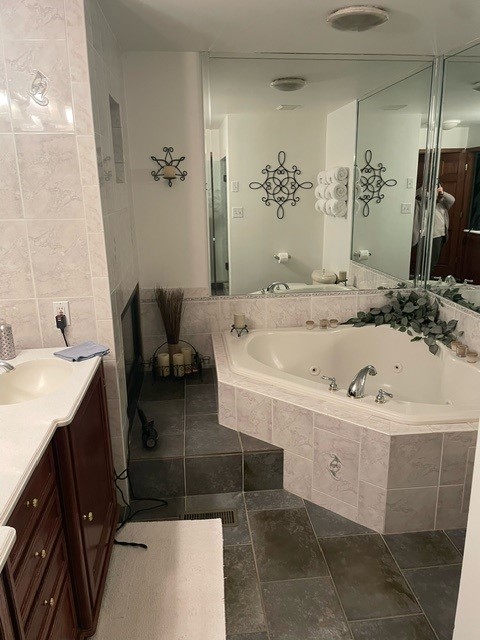
STEP 3. PAINT THE VANITY
The current dark red stain of the bathroom vanity dates it.
How do we find the best paint color for our room?
It’s about combining our ‘wants’ with the very specific needs of our bathroom’s finishes. In this case, we need a darker color than the countertop and the almond tub and toilet, so they don’t compete. Based on these boundaries, I see two great options…
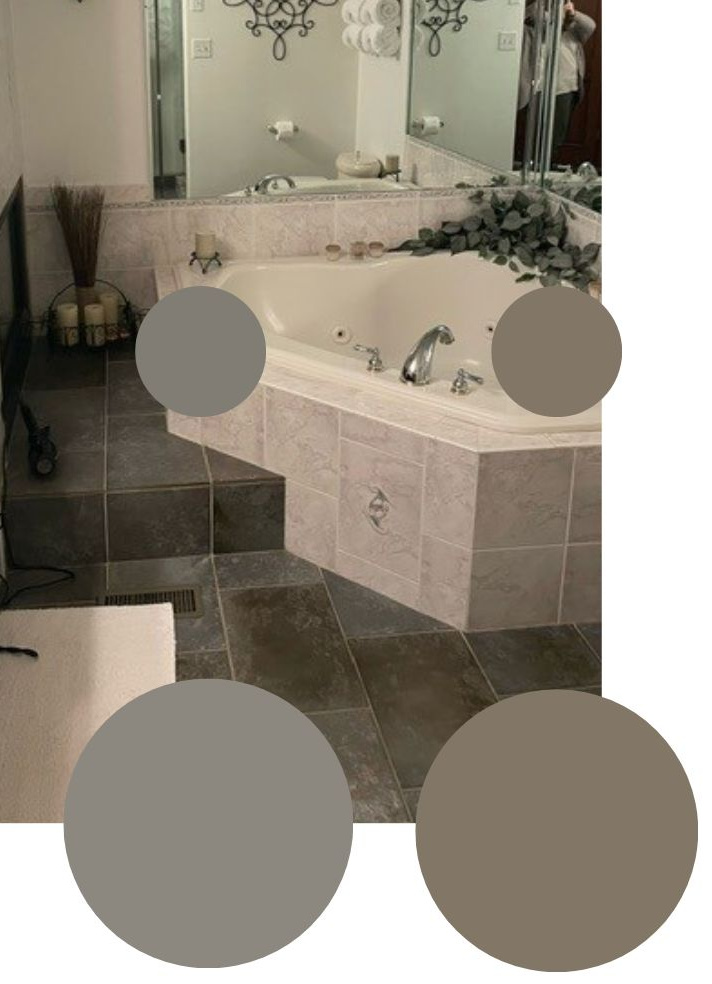
Compare the larger blobs to the floor tile – they’re both contenders. However, the almond bathtub is the dealbreaker as it doesn’t love the degree of purple in the left-hand sample. I
Now, you might be inclined to go lighter, but it’s best we hit some moderate depth. Why? It’s time for a FUN FACT…
Warm colors and finishes (like the countertop in this bathroom) don’t usually like colors that are cooler AND lighter than them.
Learn more about combining warm and cool colors and finishes.
4. INSTALL NEW SHOWER TILE (WALLS)
For the sake of this bathroom looking more updated, it’s a great bang for buck. So how do we find the right tile for this walk-in shower?
Take inspiration from existing finishes – don’t surprise them with something out of their comfort zone!
Many choose white tile, whether it’s a subway tile backsplash or shower surround. However, more often than not, white tile is too stark, especially for 1980s, 90s, and 2000s homes.
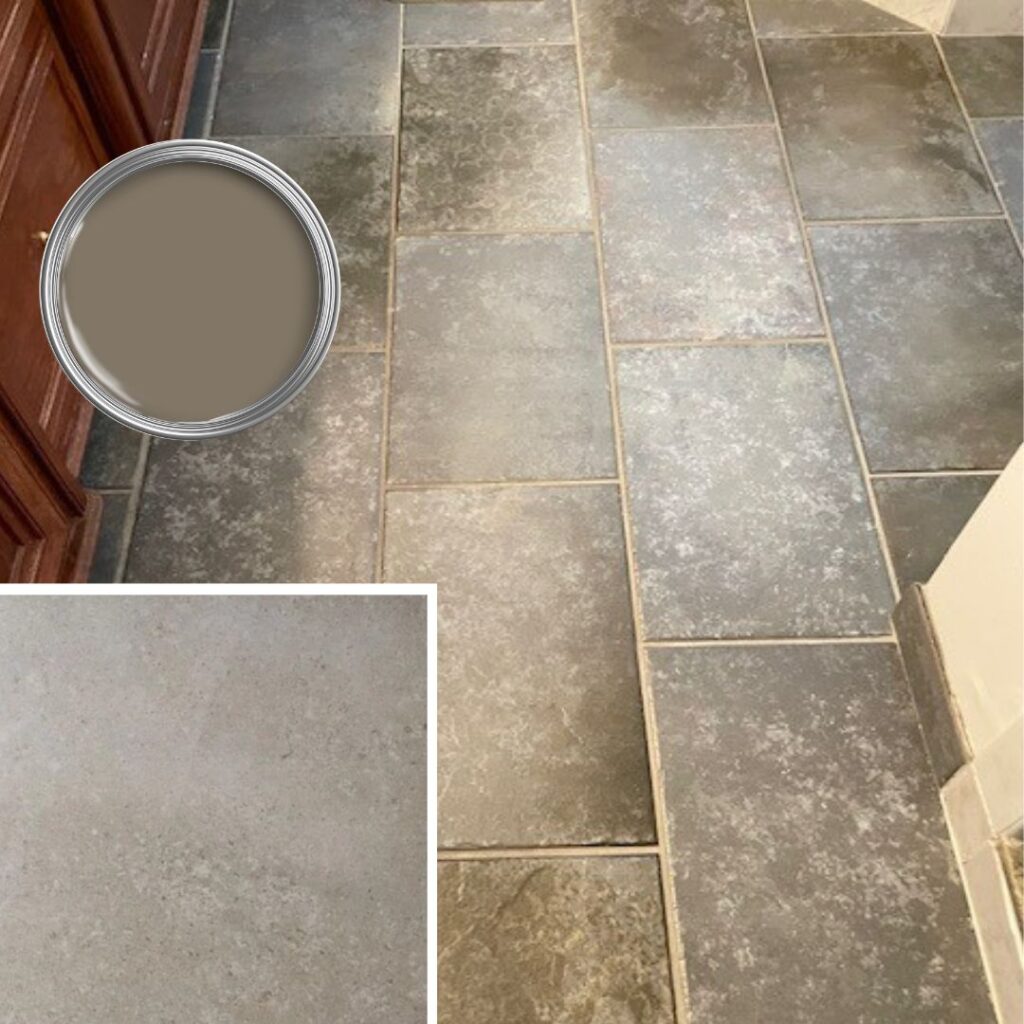
Iris Tortora porcelain tile from Home Depot
The floor likes grays with violet tones, as well as warmer, taupe, and brownish tones. I’d find a large-scale tile for the shower walls, leaning into sizes beyond the standard 3×6 or 4×12, up to 24×48. Always order one or two pieces to see how they look in person – online images are rarely exact!
There’s a good chance the shower tile floor would need to go too, for proper waterproofing, but at least we’ve kept the main bathroom floor, vanity, and countertop.
STEP 5. UPDATE THE FAUCETS, HARDWARE, & LIGHTING
If I get into specifics for this bathroom, we’ll be here for days. The idea is to look at your loo’s existing finishes and see what best suits them. For this particular bathroom, here’s what I’m looking at…
- Considering the floor tile, I suggest chrome or highly polished nickel.
- The knobs are too small for the vanity and aren’t in the right spot. Seeing as the vanity’s getting painted, I’d fill the current holes, drill new ones near the top of the doors, and install slightly larger knobs. I’d fill the drawer holes and install coordinating handles.
- I’d install more clean-lined but slightly curved faucets and light fixtures.
I wanted to do another case study, but to be honest, I’m mentally and physically exhausted – I pour my little heart into these things. WHERE’S MY WINE?
READ MORE
Molding & Paneling Ideas for Small (or Big) Bathrooms
The Best Bougie Laminate Countertops On a Budget
The 6 Best Paint Colors for Almond or Bone Bathroom Fixtures
Get the Online Paint Color Expert that DESIGNERS hire!

Updated in 2026 for relevant content and images.





As always Kylie, your blogs are so insightful, the most practical and so much fun to read! Great Job!
Well, thank you Liz!
I am a fan of hanging art over large mirrors. It takes away the “builder basic” vibe and makes it a bit more David Hicks.
Ooooo, I like this idea!