DON’T Hire a Painter Without Asking These 10 Questions
Does Your Painter Have the Right Answers?
Painting your home can be stressful. Not only do you need to choose the best paint color, but you also need to hire the right people for the job – and trust me, there are the right people…and there are the wrong ones.
And don’t worry, we’ve ALL dealt with the wrong ones. The ones who don’t sand, don’t prime, go skimpy on the coats, flaunt their plumber’s butt (or in this case, painter’s butt), and so on.
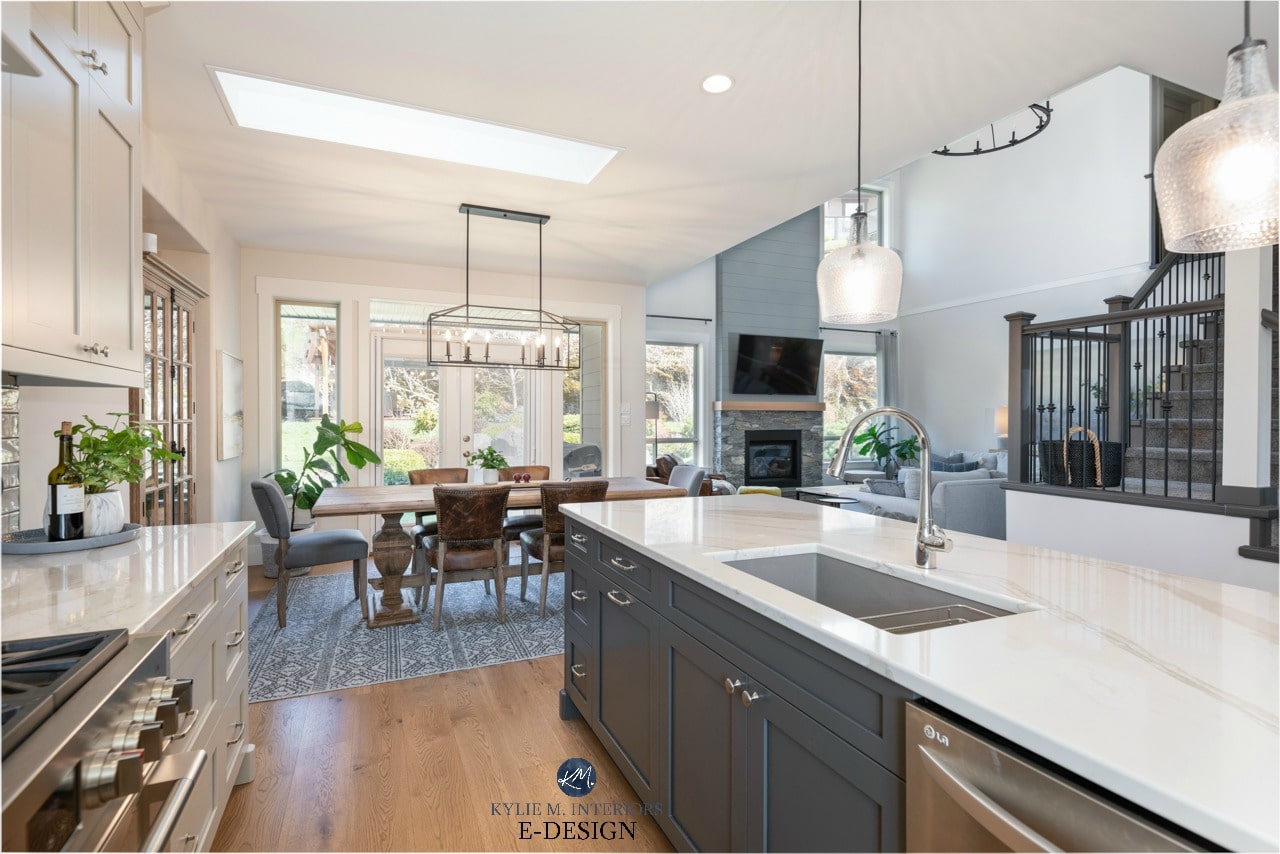
If you want professional results, you need to hire a real professional
I’m here today to help you avoid those painters. I can’t personally account for their QUALITY of work in the end, but we can at least address a few red flags before they start sloppin’ paint on your walls.
BRAND PREFERENCE
When it comes to choosing a painter, the first thing to remember is that it’s your home and your money. While I wouldn’t recommend a few paint brands when it comes to the big ones – Benjamin Moore and Sherwin Williams, each has a small list of pros and cons, depending on the line of paint you choose – there is no ‘better or worse,’ as they’re pretty darn comparable).
Ask your painter the following questions before you hire them…
1. WHICH BRAND OF PAINT DO THEY USE?
If their brand matches your preferred brand or the brand of the paint color you’ve chosen, you’re set. If not…
2. ARE THEY OPEN TO USING A DIFFERENT BRAND OF COMPARABLE QUALITY?
If the answer is yes, again, awesome possum. If not…
…then you may want to find another painter. Remember whose money is actually paying for the paint and whose home it is. A good painter, technically, should be able to apply ANY brand well.

Sherwin Williams First Star
REASONS YOUR PAINTER MIGHT NOT LIKE A BRAND
Some painters are married to a brand because they’ve used it for a long time and are used to its consistency and coverage—it’s familiar.
The problem with familiarity is that not all painters will take the time to try another paint, get used to it, and appreciate its finer qualities – they’re loyal to their brand, excluding other possibly GREAT brands. It’s like me drinking the same wine again and again because I know it’s good. However, if I were to branch out, I’d realize there are equally as good and likely BETTER wines out there (it’s easy to go up when you drink out of a box – wink wink).
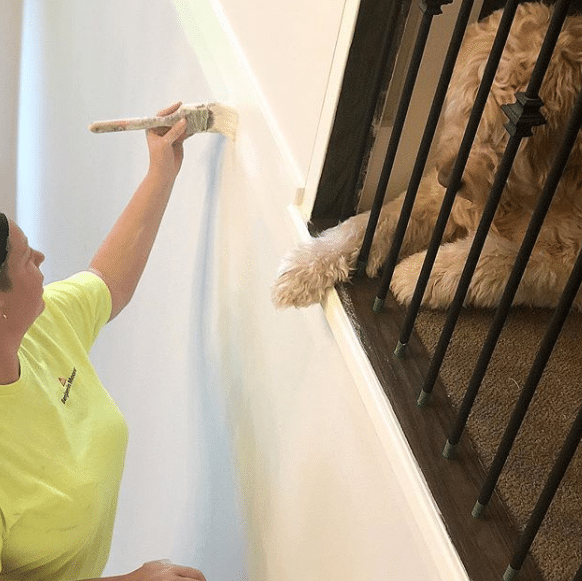
This is my favorite local painter, Delea (Details Painting)
IF YOUR PAINTER CLAIMS ONE BRAND IS BETTER OVER ANOTHER, DO YOUR OWN RESEARCH
Sometimes, they’re right (some lower quality/big box store brands make me twitch and drool in the corner). However, when it comes to the big boys like Benjamin Moore and Sherwin Williams, as long as you get paint that is ‘better than contractor grade,’ you’re comparing apples to apples (or grapes to grapes if I were to continue the wine innuendo’s).
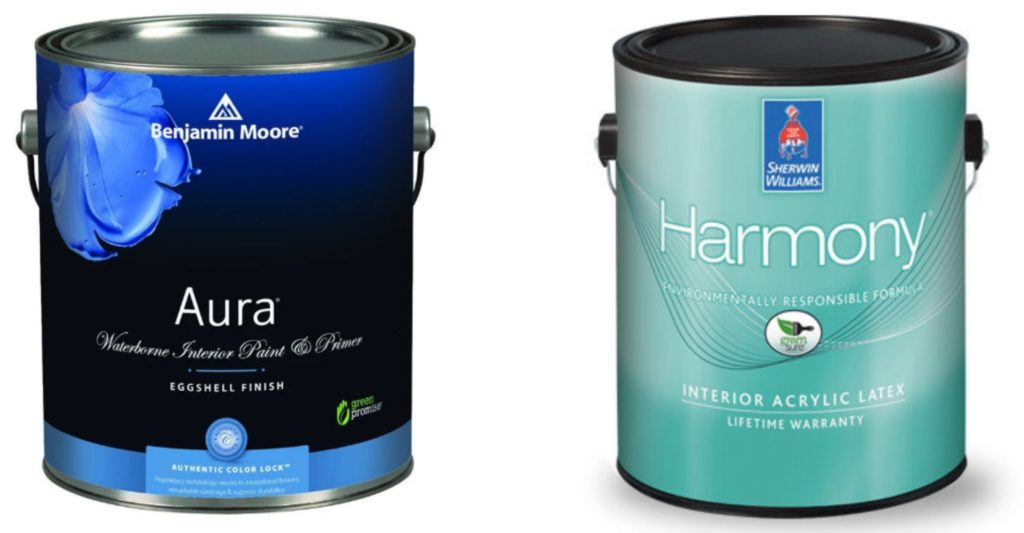
If your painter can get ‘said’ paint cheaper, do the math.
Say you’d save $30 per gallon using their recommended, lower-priced paint. That sounds like a lot on a small scale, but if you need approximately three gallons, you’re saving $90. Big whoop. In the big picture…
I’d rather pay an extra $90 if I have better-quality paint on my walls OR I get the actual color I want (I never trust brands to color match others).
Once you’ve nailed down which brands your painter is open to using, ask them a third question…
3. WHAT LINE/QUALITY OF PAINT IS THEIR QUOTE BASED ON?
If they base their quote on ‘contractor-grade paint,’ which is common for spec homes and general construction, you might be awfully surprised at how the quote looks when you ask for mid-level+ paint. Some painters secure your business by having the lowest quote. Sometimes, this quote is lower because they base it on a lower-end product.
‘Some’ and ‘sometimes’ are important words here as many reputable painters don’t do the above – who base their quote on quality paint even if it means their bid isn’t the lowest. This is because they want their work to look good and you to be happy with the end product.
Make sure your painter’s quote is based on quality paint (I almost always choose ‘middle of the road’ with any brand).

The Best Off-White & Light Paint Colors for Cabinets
Sure, the quote LOOKS more doable when it’s based on contractor-grade paint, but your walls or cabinets won’t look better for it.
IS THERE A DISCOUNT?
Sherwin Williams is well known for its sales, whereas Benjamin Moore can be a wee bit stingy with contractor pricing. So, let’s cover a few more questions…
4. WHAT DISCOUNT DO THEY GET ON THE CHOSEN BRAND OF PAINT?
Painters get a discount from paint suppliers, usually between 20-50%.
They can then pass the savings along to you or keep the difference for themselves (if them paying for the paint is part of the quote).

The 10 Best Off-White Paint Colors
Some brands (ahem, Cloverdale) will give anyone with two feet and a heartbeat a discount, but this doesn’t mean their paint is worth investing in.
One way that painters can secure a contract when other painters are bidding on it is by getting a great discount. Cheaper paint = cheaper quote. Many homeowners will go for the lowest bidder without realizing that it can come at a high cost with cheap paint.
Ask if you benefit from the discounted price or if it’s a shared discount. If the painter’s preferred brand offers a better discount than YOUR preferred brand, don’t get sucked in by the savings. Make sure they’re painting YOUR walls with the brand/quality you prefer.
LET’S TALK PAINT PREP
Your paint job is only as good as the prep work.
5. WHAT TYPE OF PREP WORK WILL THEY BE DOING BEFORE PAINTING?
This is MASSIVE. I’ll pay more for a painter who does great prep than a painter who skimps at the start.
What is good paint prep?

Sherwin Williams Worldly Gray and Benjamin Moore White Dove
EXISTING WALLS (NO NEW DRYWALL)
- Sanding any rough spots and shiny finishes.
- Filling any holes/divots and smoothing any rough areas.
- Cleaning – not just the sanding mess, but any oils or residues (common in kitchens and on bathroom walls)
- Priming. Priming isn’t something that needs to be done every time but does need to be done in certain situations, such as…
- A larger than quarter-size drywall patch. Drywall mud/filler absorbs paint differently from a previously painted surface.
- The old color is STRONG (common with primary colors, yellow and red in particular).
- The old finish is oil paint. This is vital. Oil paint was used extensively up into the ’90s, so make sure your painter knows what he’s going over and preps accordingly. And if your painter still paints with oil (cabinets or walls), you may want to interview more painters.
NEW CONSTRUCTION/ DRYWALL
- A check-over to fill any pinholes/misc. left from the drywaller (they’re always there; you just need to find them).
- One coat of primer. Always. Paints that are ‘paint and primer in 1’ suck big time.
- Two coats of wall paint in the chosen finish/color (sometimes three, color-dependent).
A two-coat application is the best way to get a) a consistent finish without flashing (well, I’ll flash you if you’re lucky) and b) a solid-looking color.

Sherwin Williams White Duck
If your painter tells you he can do it in one coat, they might be using the six-foot rule: ‘ If it looks good from six feet back, it’s good enough.‘ That’s a hard no from this color cowgirl.
CABINET PREP
- Cleaning
- Sanding
- Cleaning again
- High-adhesion primer
- Two coats of paint
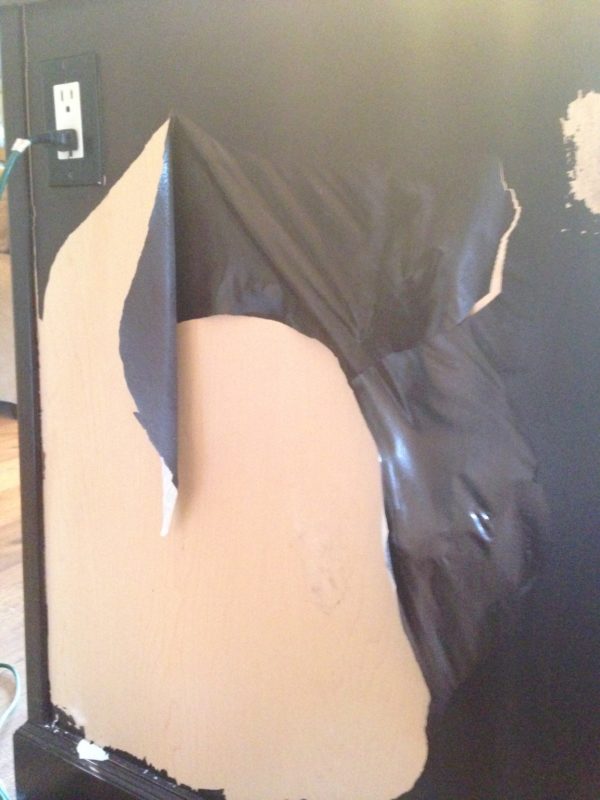
This is what happens to paint on cabinets that aren’t prepped well. The SAME can happen on walls!
Again, there are 2 in 1 paints, but there IS no one-trick pony that is 100% effective at everything it needs to do. If you have bare drywall, you need proper primer to set the surface properly.
6. HOW MANY COATS TO THEY APPLY & DOES THAT INCLUDE PRIMER?
As mentioned above, two coats of paint are the bare minimum for any project. Then, understand if you need primer; if so, the total is three coats.
New construction: 1 coat of primer, 2 coats of paint…minimum
Existing drywall/remodel: 2 coats of paint (1 coat of primer before painting as needed for patches/strong colors)
Cabinets: 1 coat of primer, two coats of paint…minimum
This leads us to our next question…
7. HOW WILL THEY PROTECT YOUR FINISHES (E.G. DROP CLOTHS/SHEETS/ETC?
Please, do not take your painter’s word for it when they say they don’t need a drop cloth as they don’t drip. It’s not the painter – it’s the paint (well, sometimes it’s the painter). Truly, even the BEST painters get drips on the floor, and there is NO HARM in putting down a dropcloth – I would not have them paint without one. If they don’t, it’s more about their ego, and I’m not interested in hiring an ego.

The Best Paint Colors for Kitchen Islands – A Mixed Bag!
Also, what is their clean-up at the end of each day?
At the beginning, expect some drywall dust and flecks of this and that as your painter preps your space. These should be shop-vac’d at the end of each day, so you’re not tracking them around your home.
Any painting tools should be wrapped up and tucked away in an area that isn’t in your way.
What is their clean-up when the project is done?
Upon completion…
- Do they vacuum your space and double-check for any drips or specks?
- Are they putting your furniture back in place, or is that on you?
- Is hardware installed on doors and cabinets, or is that your responsibility? It’s okay if it is; it’s just about expectations.
- Will they put outlet and light switch covers back on?
OTHER DETAILS
Oh, we ain’t done yet!
8. ARE THEY PROPERLY INSURED?
I won’t advise you on what that looks like as it can vary widely. However, ensure your painter has proper insurance and coverage should anything happen to them or your home while they work on it. Don’t hesitate to ask for proof or phone WCB for confirmation.
9. WHEN WILL THEY START & FINISH?
Because of the nature of painting projects and new construction, it’s easy to get bumped. Make sure your painter agrees to a start date and an end date. Barring things that CAN’T be helped, they should follow this.
10. WHAT IS THEIR PAYMENT SCHEDULE?
Never pay the total upfront…never. In fact, many painters will take only a small deposit to start a project and will agree to full payment upon completion. Please pay the painter promptly, as they are likely out of pocket from purchasing the paint and supplies for you.
READ MORE
Is it Okay to Match Colors Between Paint Brands?
The 12 Best Whole Home Neutral Paint Colours
3 Whites I Would NEVER Paint my Trim or Cabinets
SUMMARY OF QUESTIONS
1. What is their preferred brand?
2. Are they open to using a different brand of comparable quality?
3. What QUALITY of paint is their quote based on?
4. What kind of discount do they get on the ‘chosen’ paint brand?
5. What type of prep work will they be doing?
6. How many coats of paint do they apply, and does that include one coat of primer?
7. How will they protect your existing finishes, and what is the clean-up procedure at the end of the day?
8. Are they adequately insured?
9. When will they start and finish?
10. What is their payment schedule?
NEED HELP CHOOSING COLORS?
Check out my Online Paint Color Consulting







This is a good article, but I think the most important thing is to get recommendations from people who are really picky! I hired a painter recently and asked ALL of these questions but because I was out of the house most of the time he was here, I am not sure he did what he said he would do, which is two coats. Several of the walls look like they only got one coat when they were supposed to get 2. A few of my ceilings also look like one coat. I bought the paint, and know it was higher level Ben Moore, but there was so much left over, I figure he couldn’t have done everything in 2 coats. I didn’t want to lose sleep over it, but if you have any advice for how to make sure painters are doing the number of coats they promise, I would love to hear it! It has also just been 4 months and several cracks he was supposed to have filled have open up again. Any advice? Thank you.
With respect -I disagree regarding oil paint. A chemist at a respected paint company told me several years ago that yes there are good acrylics now but nothing is as strong as oil paint. I have come to see his point. I use Fine Paints of Europe and BM impervo. My projects level out to glass – glass . You can’t see brush marks with a magnifying glass and seem impervious to daily wear (Especially with FPE) . None of companies here mentioned are of the chemist with whom I spoke. Have used Farrow and Ball too and love it for walls when I can convince my husband to bear the expense. Love their “All White.” Just my opinion because of my experience. And yes, priming is everything.
Wish I’d had this a month ago before I hired a painter! It turned out OK, but I was timid about asking questions, and didn’t get what I expected in terms of wall repair and prep work. I didn’t want to offend them by questioning too much. So I’ll need to hire someone else to come back who knows how to do more drywall repairs.
Great list! I totally agree with these guidelines. I work in new Construction s d remodels snd it DOES matter! Keep up the great work!!!
How do you pick out colors for a new construction home? Any tips for the average homeowner?? I’m so overwhelmed at the idea of picking colors and avoiding certain undertones all while not having the actual light fixtures in place. The last house we built, the color turned out almost peach, and was supposed to be beige. I’m terrified of this happening again. I’d love to hire you, but I don’t see a full house(walls, trim, and cabinets) option. Do you offer that service??
Thanks for sharing your experience Kylie.
Hi Kylie! My painter used oil paint on my trim 15 years ago. Benjamin Moore Satin Impervo and it dries beautifully and has lasted a very long time. Are you not in favor of oil paint for trim?
Hi Leslie! Nope, not a HUGE fan, although I’m glad you’ve had a good experience! It’s the smell and it can age/discolour quite a bit over time. Most brands don’t even sell oil for this reason :). However, it IS hardy!